

Key Statistics for 2026
- GDP (2026):
- $8.9 Trillion
Total population
7,001,007,441 personsPopulation Change
69,255,434 personsMedian age of population
29.33 yearsPopulation density
74.76 per sq. kmLife expectancy at birth
75.58 yearsAbout Low-and-middle-income countries
Low and middle income countries are every economy the World Bank classifies below the high-income threshold of $13,935 gross national income (GNI) per person. The World Bank often calls this group developing countries.
About 7 billion people live in low-and-middle-income countries (2026), 84.3% of the world's population. The population grows by about 69.26 million a year (1%), faster than the world as a whole (0.87%). Half of the population is younger than 29.3 years (world median: 31.1). Women have 2.3 children on average, above the replacement level of about 2.1. About 2.81 million more people leave each year than arrive.
The combined GDP of low-and-middle-income countries is $8.9 trillion (2026, current US dollars), 7.1% of the world economy. That is about $1,266 per person, below the world average.
130 countries and territories on Geo Factbook belong to low-and-middle-income countries, according to the World Bank income classification (fiscal year 2026). The most populous are India (1.5B), China (1.4B) and Indonesia (288M), which together hold 45% of its people. The smallest is Tuvalu, with about 9,300 people.
Grouping: World Bank income classification (fiscal year 2026). Figures: UN and World Bank data on Geo Factbook.
Countries in Low-and-middle-income countries
130 countries and territories on Geo Factbook belong to Low-and-middle-income countries.
Show all 130 countries
 Afghanistan
 Albania
 Algeria
 Angola
 Argentina
 Armenia
 Azerbaijan
 Bangladesh
 Belarus
 Belize
 Benin
 Bhutan
 Bolivia
 Bosnia and Herzegovina
 Botswana
 Brazil
 Burkina Faso
 Burundi
 Cabo Verde
 Cambodia
 Cameroon
 Central African Republic
 Chad
 China
 Colombia
 Comoros
 Congo
 Congo, Democratic Republic of the
 Côte d'Ivoire
 Cuba
 Djibouti
 Dominica
 Dominican Republic
 Ecuador
 Egypt
 El Salvador
 Equatorial Guinea
 Eritrea
 Eswatini
 Ethiopia
 Fiji
 Gabon
 Gambia
 Georgia
 Ghana
 Grenada
 Guatemala
 Guinea
 Guinea-Bissau
 Haiti
 Honduras
 India
 Indonesia
 Iran
 Iraq
 Jamaica
 Jordan
 Kazakhstan
 Kenya
 Kiribati
 Kosovo
 Kyrgyzstan
 Laos
 Lebanon
 Lesotho
 Liberia
 Libya
 Madagascar
 Malawi
 Malaysia
 Maldives
 Mali
 Marshall Islands
 Mauritania
 Mauritius
 Mexico
 Micronesia (Fed. States of)
 Mongolia
 Montenegro
 Morocco
 Mozambique
 Myanmar
 Namibia
 Nepal
 Nicaragua
 Niger
 Nigeria
 North Korea
 North Macedonia
 Pakistan
 Papua New Guinea
 Paraguay
 Peru
 Philippines
 Republic of Moldova
 Rwanda
 Saint Lucia
 Saint Vincent and the Grenadines
 Samoa
 Sao Tome and Principe
 Senegal
 Serbia
 Sierra Leone
 Solomon Islands
 South Africa
 South Sudan
 Sri Lanka
 State of Palestine
 Sudan
 Suriname
 Syrian Arab Republic
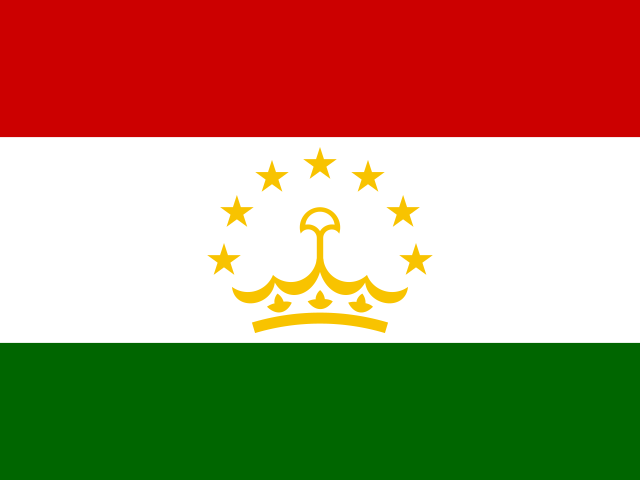 Tajikistan
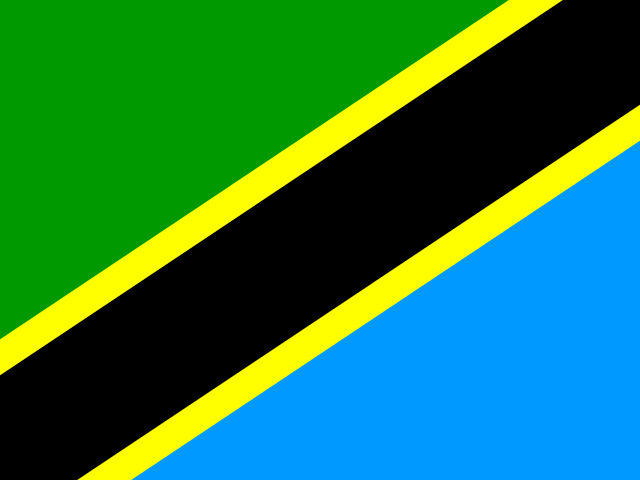 Tanzania
 Thailand
 Timor-Leste
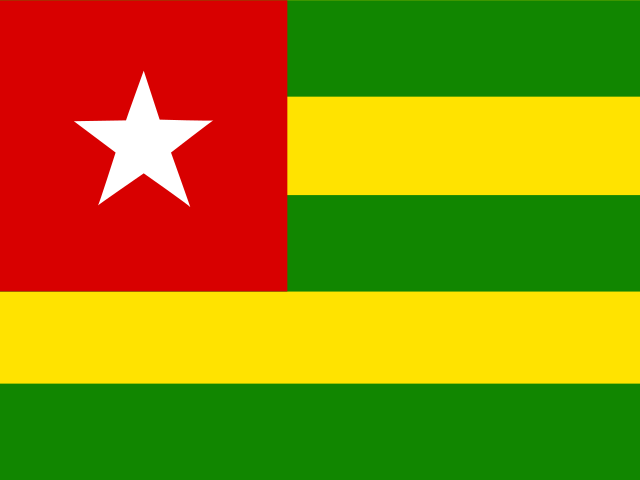 Togo
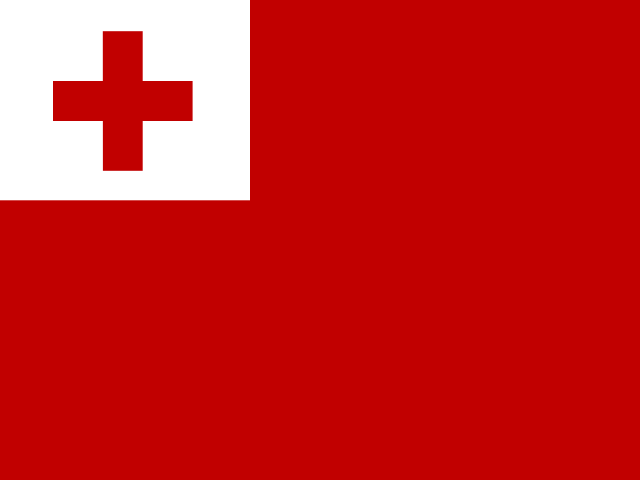 Tonga
 Tunisia
 Turkey
 Turkmenistan
 Tuvalu
 Uganda
 Ukraine
 Uzbekistan
 Vanuatu
 Venezuela
 Vietnam
 Yemen
 Zambia
 Zimbabwe
More statistics for Low-and-middle-income countries
Agricultural land
Female population of reproductive age
Percentage of population by degree of urbanization
Total deaths
Total demand for family planning (Percent)
Total fertility rate
About This Data
This page shows the latest statistics for Low-and-middle-income countries for 2026. The figures come from international organizations such as the United Nations and the World Bank, and from the final editions of the CIA World Factbook. Where no figure is published for 2026, the value is an estimate and is marked as one on its page.
Click on any statistic to explore more detailed information, see how Low-and-middle-income countries compares with other countries, and view historical trends.
Primary Data Sources
CIA World Factbook
Country profiles and statistics from the final editions of the CIA's reference, which was discontinued in 2026
Learn moreUnited Nations Statistics
Global demographic data and population projections from UN agencies and research divisions
Learn moreWorld Bank Open Data
Development indicators and comprehensive population metrics from the World Bank database
Learn moreCite this page
Geo Factbook. (n.d.). Low-and-middle-income countries: Country Profile. Retrieved November 29, 2026, from https://geofactbook.com/countries/low-and-middle-income-countries
The figures on this page come from the United Nations, the World Bank and the final editions of the CIA World Factbook. For academic work, cite the original source as well.
Compare Low-and-middle-income countries with other countries
Side-by-side comparisons across population, GDP, geography, and more.
Frequently Asked Questions About Low-and-middle-income countries
How many countries belong to low-and-middle-income countries?▾
130 countries and territories on Geo Factbook belong to low-and-middle-income countries, according to the World Bank income classification (fiscal year 2026). The most populous are India, China and Indonesia.
What is the population of low-and-middle-income countries?▾
About 7 billion people (2026), or 84.3% of the world's population, according to UN population estimates.
What is the most populous country in low-and-middle-income countries?▾
India, with about 1.48 billion people (21% of the total). Next come China and Indonesia.
What is the median age in low-and-middle-income countries?▾
29.3 years (2026): half of the population is younger and half is older.