

Key Statistics for 2026
Total population
5,769,737,055 personsPopulation Change
41,351,085 personsMedian age of population
31.63 yearsPopulation density
94.19 per sq. kmLife expectancy at birth
76.82 yearsAbout Less developed regions, excluding least developed countries
The developing regions without the Least Developed Countries: mostly middle-income economies such as China, India, Brazil, Indonesia and Mexico.
About 5.77 billion people live in the less developed regions excluding the LDCs (2026), 69.5% of the world's population. The population grows by about 41.35 million a year (0.72%), slower than the world as a whole (0.87%). Half of the population is younger than 31.6 years (world median: 31.1). Women have 2 children on average, below the replacement level of about 2.1. About 2.6 million more people leave each year than arrive.
134 countries and territories on Geo Factbook belong to the less developed regions excluding the LDCs, according to the UN development groups. The most populous are India (1.5B), China (1.4B) and Indonesia (288M), which together hold 55% of its people. The smallest is Niue, with about 1,800 people.
Part of Developing regions · All world regions
Grouping: UN development groups. Figures: UN and World Bank data on Geo Factbook.
Countries in Less developed regions, excluding least developed countries
134 countries and territories on Geo Factbook belong to Less developed regions, excluding least developed countries.
Show all 134 countries
 Algeria
 American Samoa
 Anguilla
 Antigua and Barbuda
 Argentina
 Armenia
 Aruba
 Azerbaijan
 Bahamas
 Bahrain
 Barbados
 Belize
 Bhutan
 Bolivia
 Bonaire, Sint Eustatius and Saba
 Botswana
 Brazil
 British Virgin Islands
 Brunei Darussalam
 Cabo Verde
 Cameroon
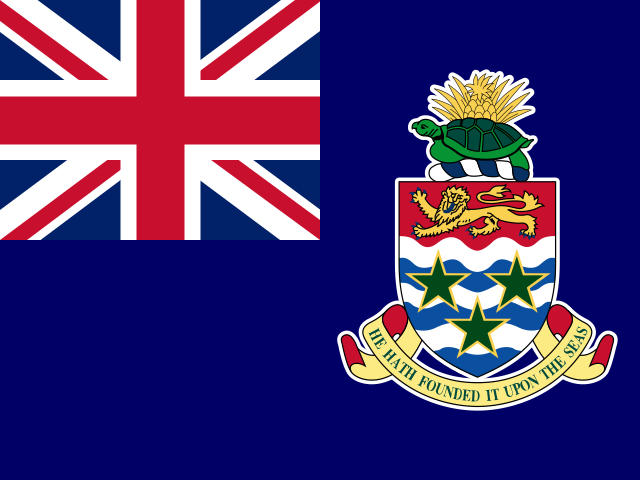 Cayman Islands
 Chile
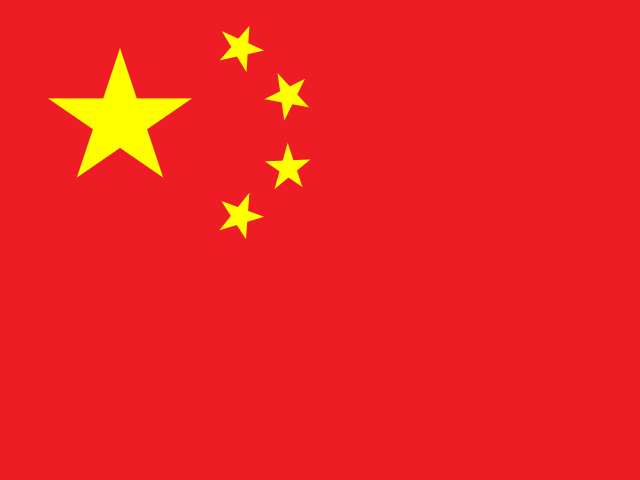 China
 China, Hong Kong SAR
 China, Macao SAR
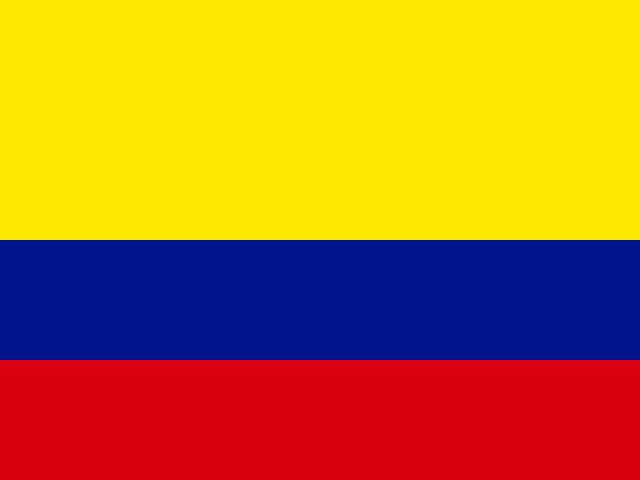 Colombia
 Congo
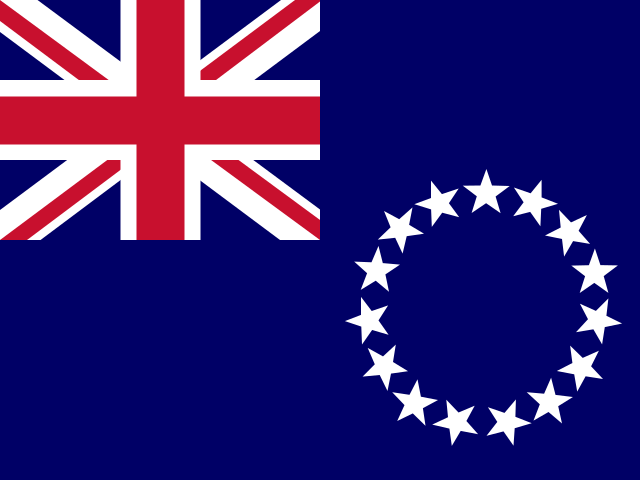 Cook Islands
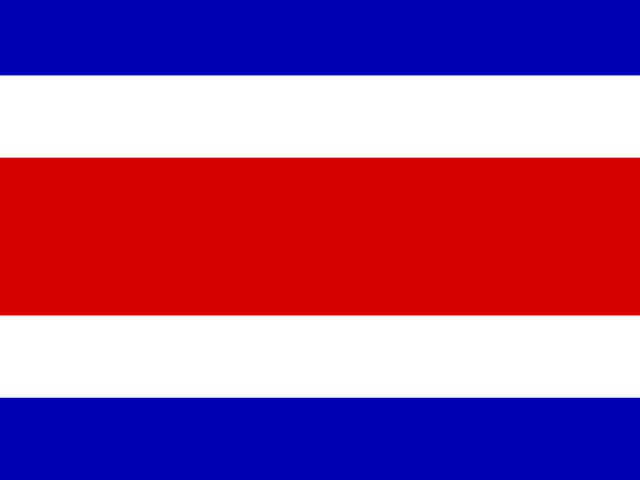 Costa Rica
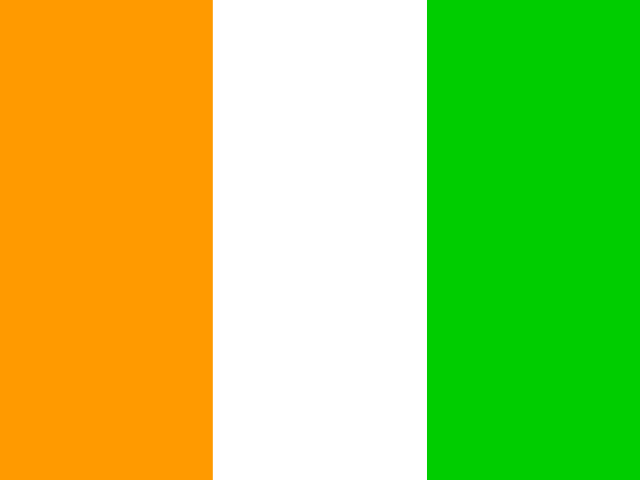 Côte d'Ivoire
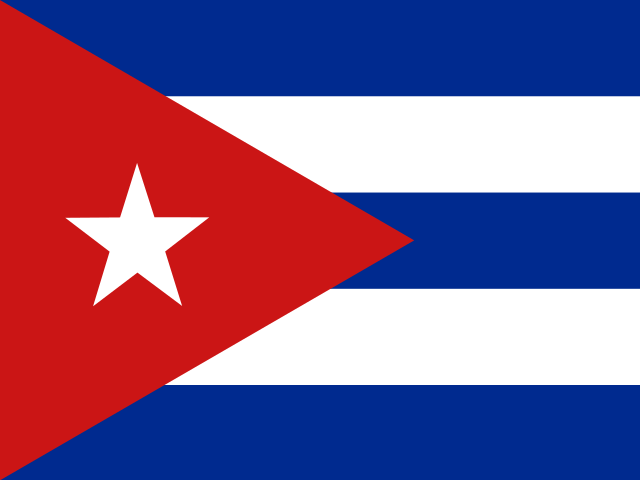 Cuba
 Curaçao
 Cyprus
 Dominica
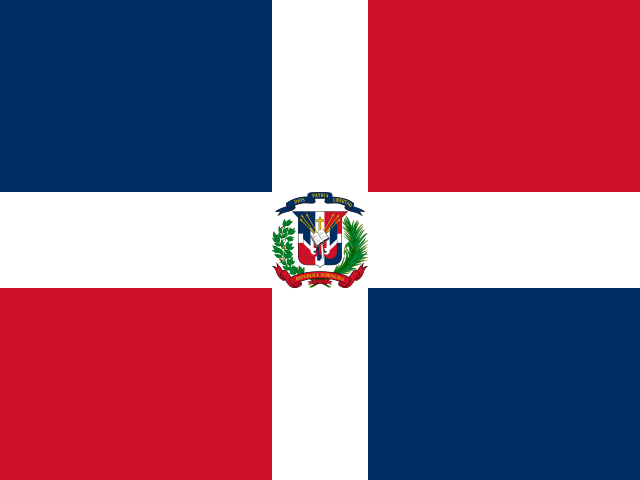 Dominican Republic
 Ecuador
 Egypt
 El Salvador
 Equatorial Guinea
 Eswatini
 Falkland Islands (Malvinas)
 Fiji
 French Guiana
 French Polynesia
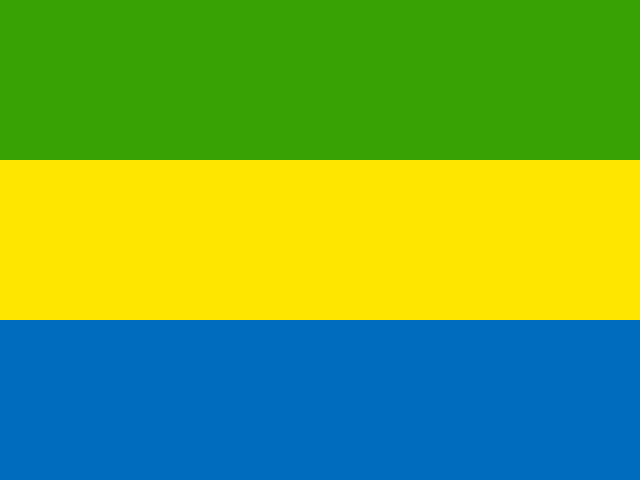 Gabon
 Georgia
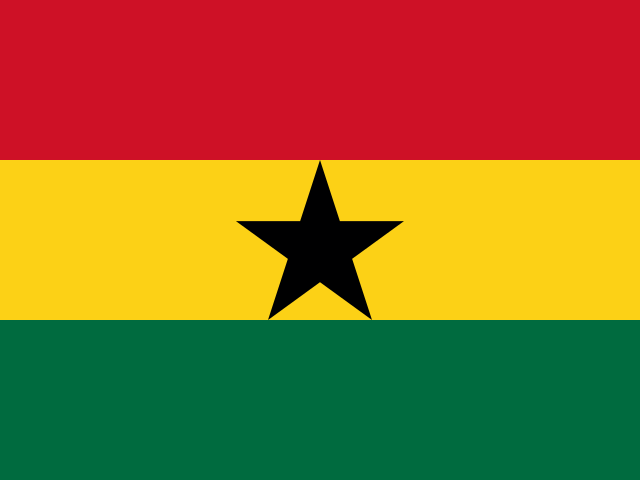 Ghana
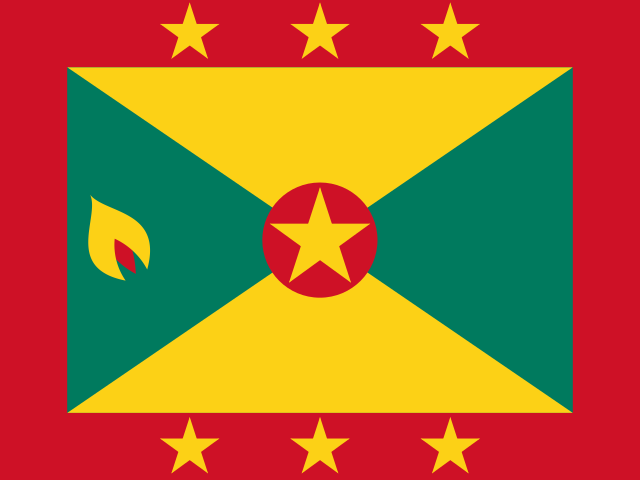 Grenada
 Guadeloupe
 Guam
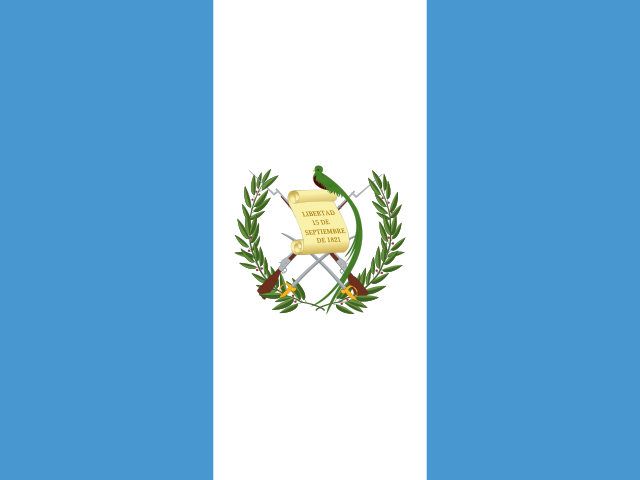 Guatemala
 Guyana
 Honduras
 India
 Indonesia
 Iran
 Iraq
 Israel
 Jamaica
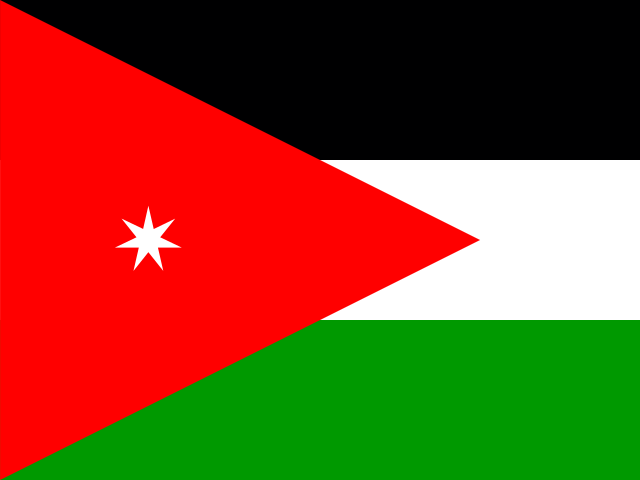 Jordan
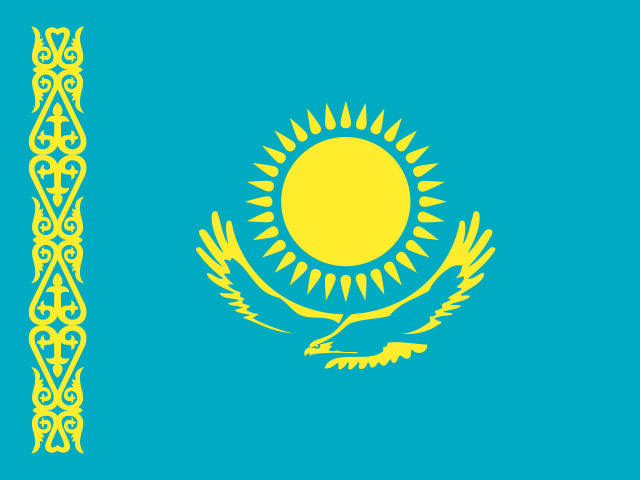 Kazakhstan
 Kenya
 Kuwait
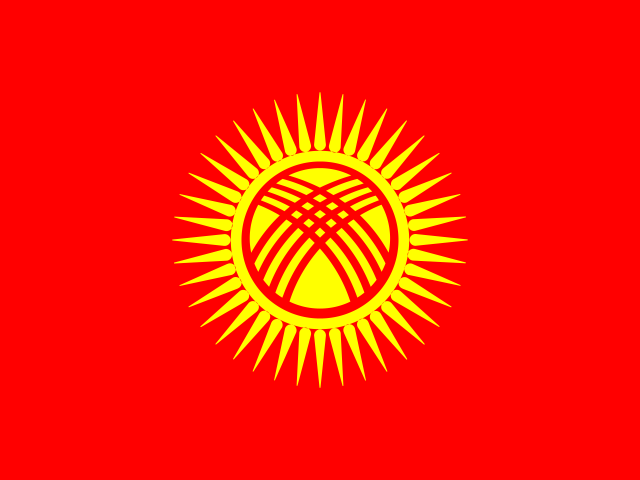 Kyrgyzstan
 Lebanon
 Libya
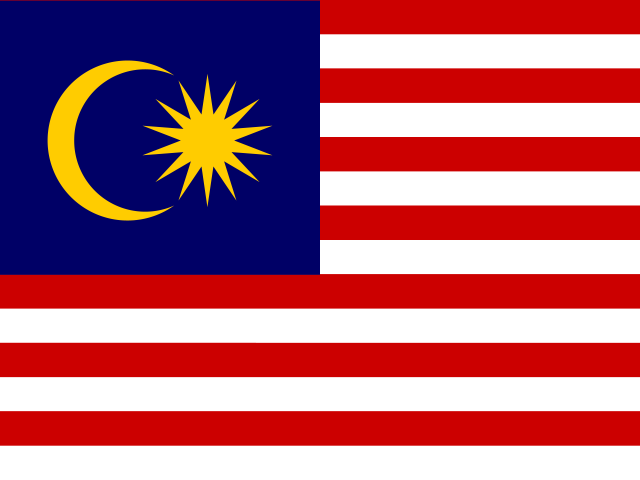 Malaysia
 Maldives
 Marshall Islands
 Martinique
 Mauritius
 Mayotte
 Mexico
 Micronesia (Fed. States of)
 Mongolia
 Montserrat
 Morocco
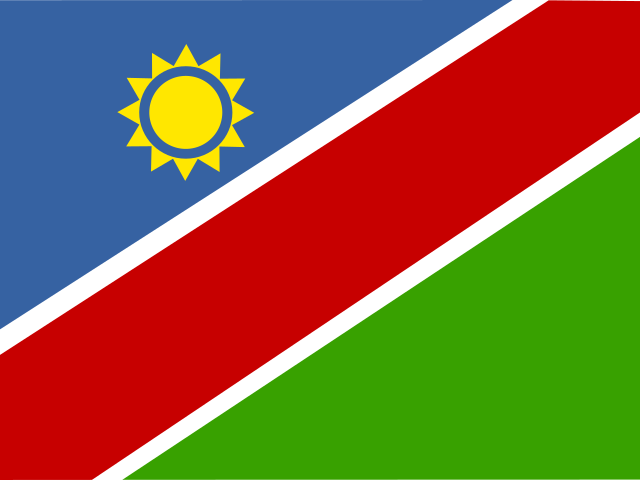 Namibia
 Nauru
 New Caledonia
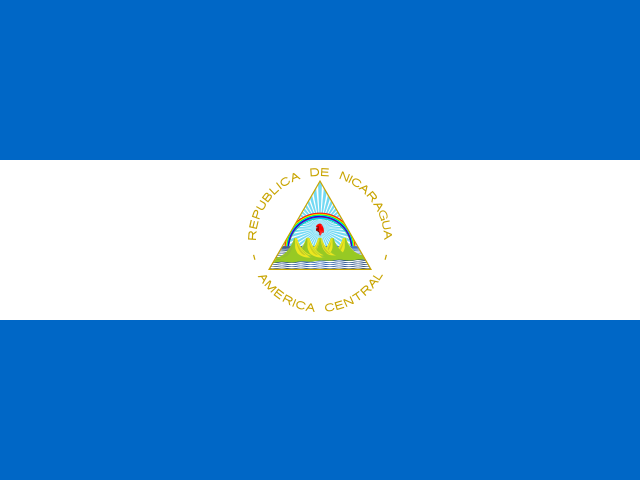 Nicaragua
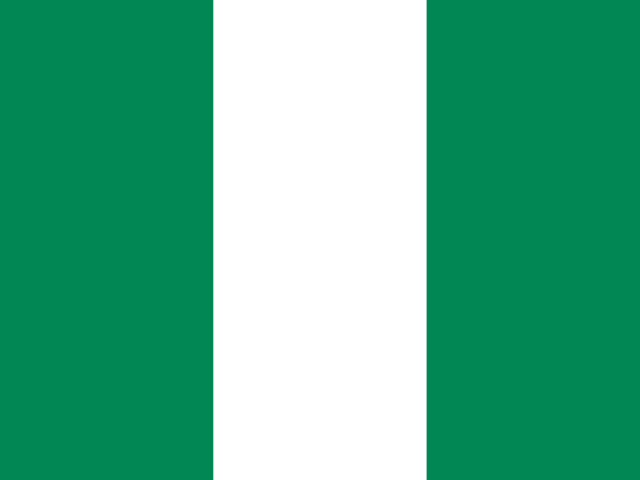 Nigeria
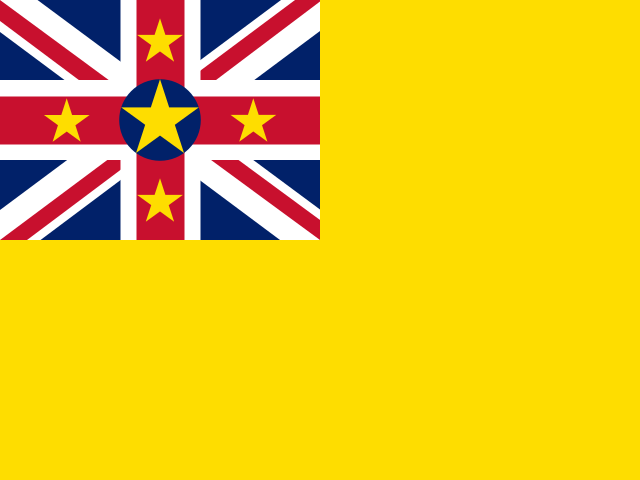 Niue
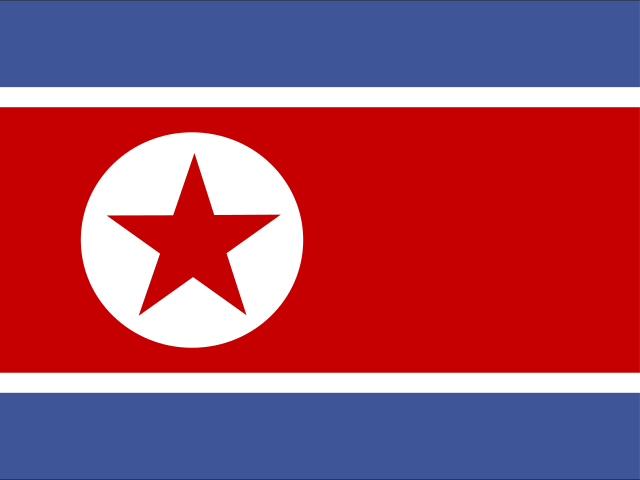 North Korea
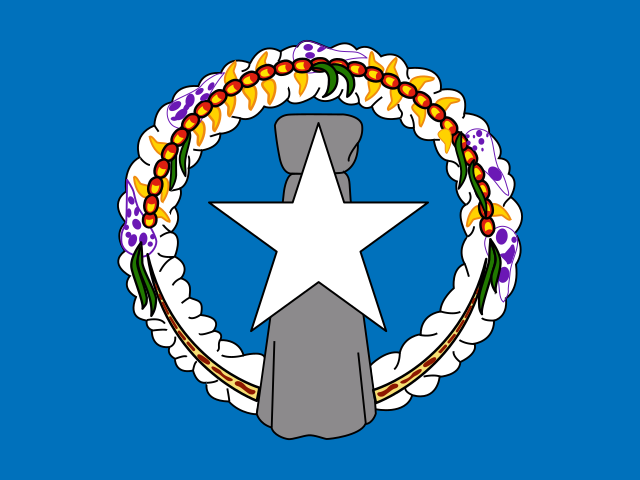 Northern Mariana Islands
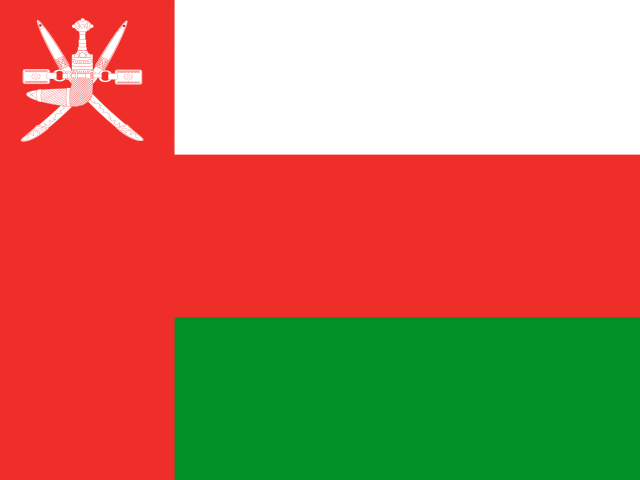 Oman
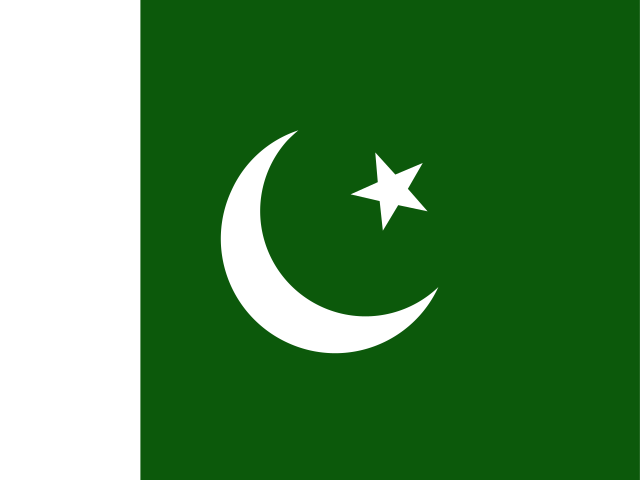 Pakistan
 Palau
 Panama
 Papua New Guinea
 Paraguay
 Peru
 Philippines
 Puerto Rico
 Qatar
 Réunion
 Saint Barthélemy
 Saint Helena
 Saint Kitts and Nevis
 Saint Lucia
 Saint Martin (French part)
 Saint Vincent and the Grenadines
 Samoa
 Saudi Arabia
 Seychelles
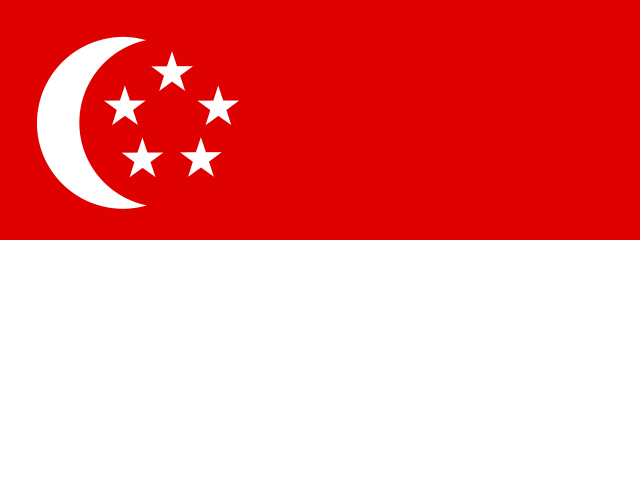 Singapore
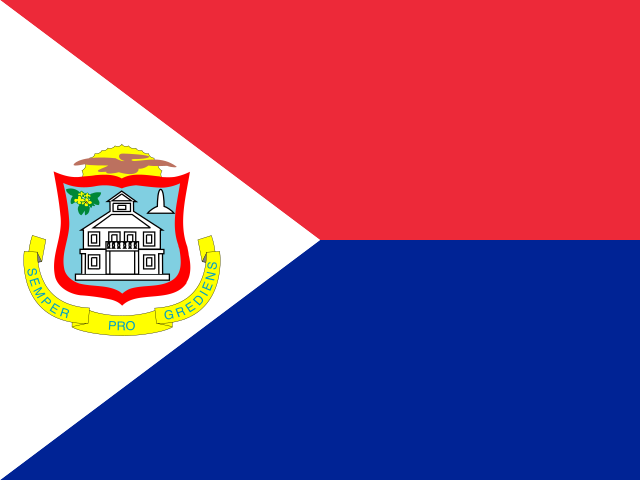 Sint Maarten (Dutch part)
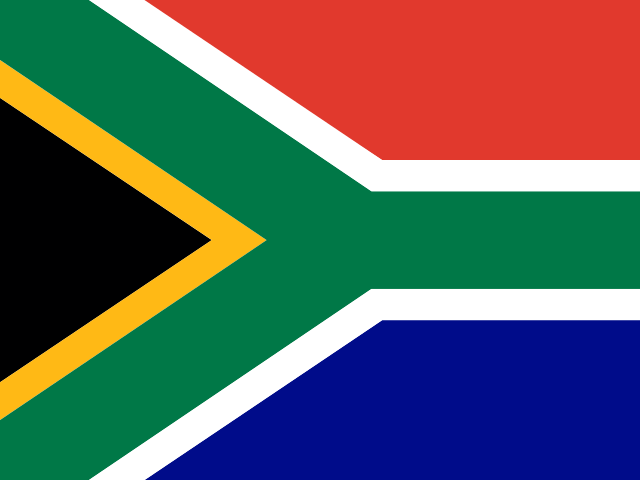 South Africa
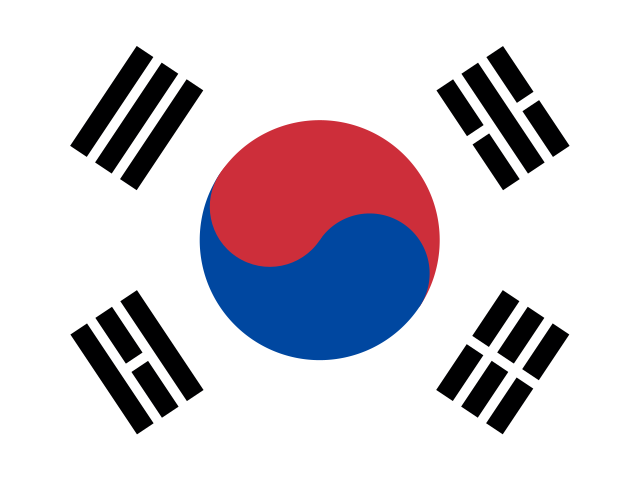 South Korea
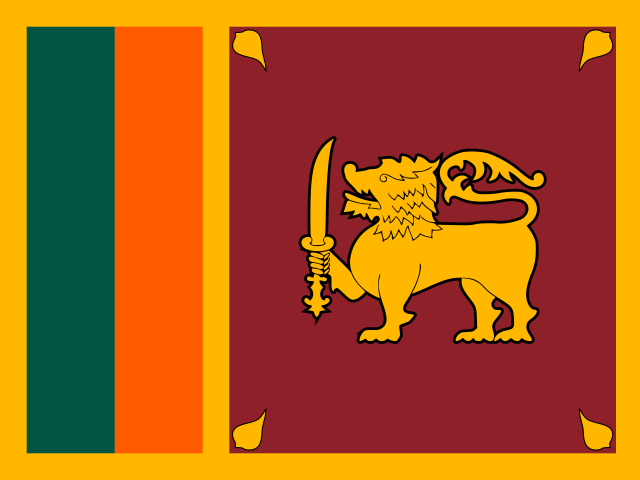 Sri Lanka
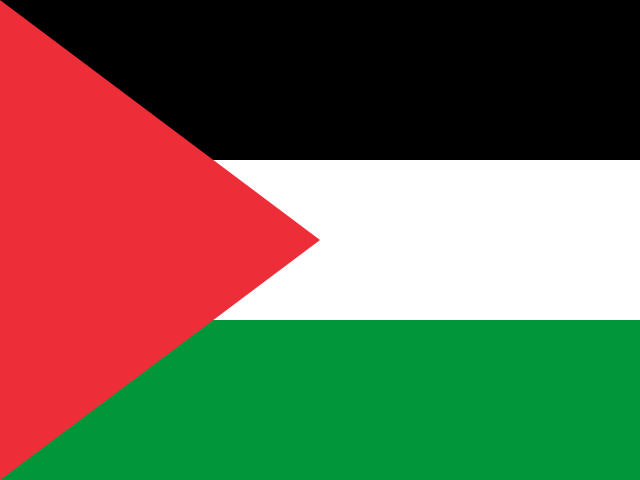 State of Palestine
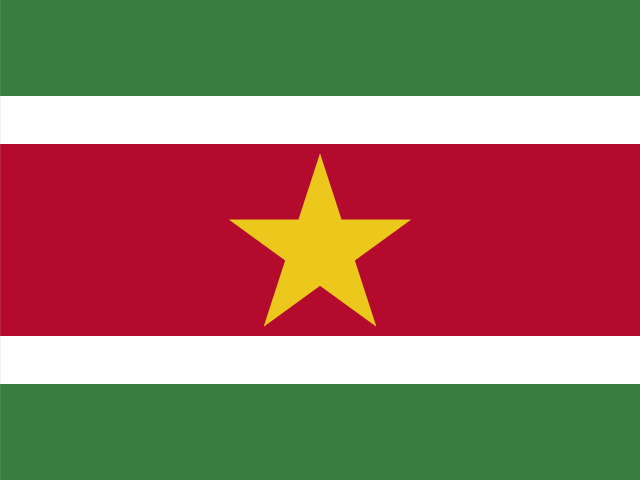 Suriname
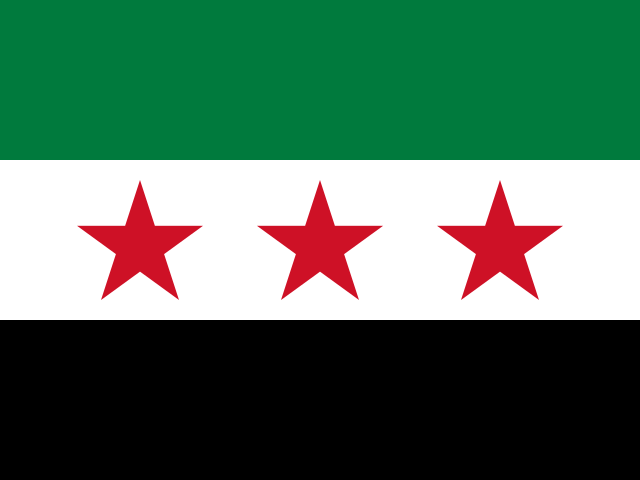 Syrian Arab Republic
 Taiwan
 Tajikistan
 Thailand
 Tokelau
 Tonga
 Trinidad and Tobago
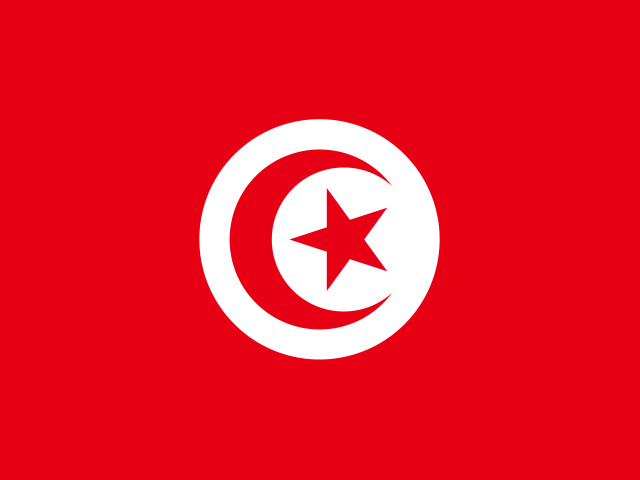 Tunisia
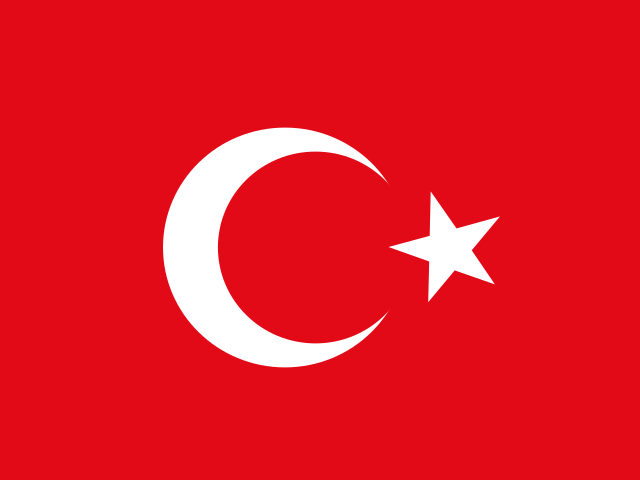 Turkey
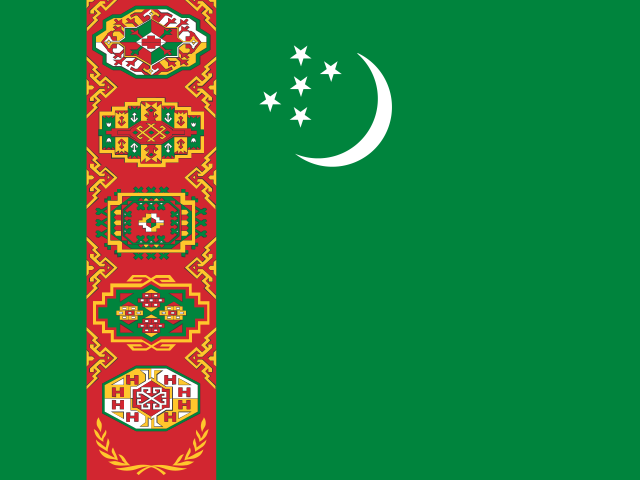 Turkmenistan
 Turks and Caicos Islands
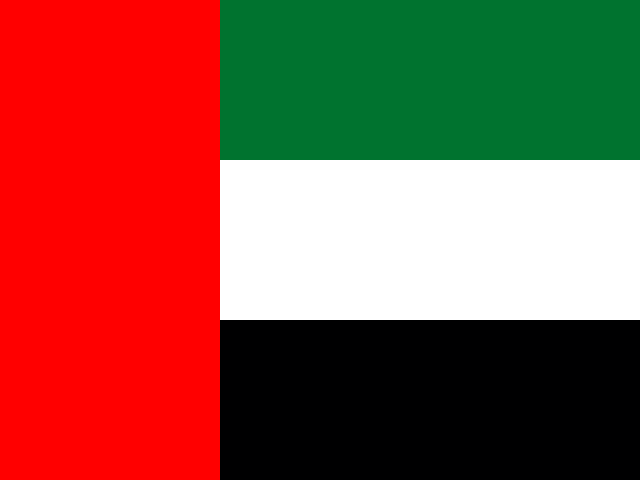 United Arab Emirates
 United States Virgin Islands
 Uruguay
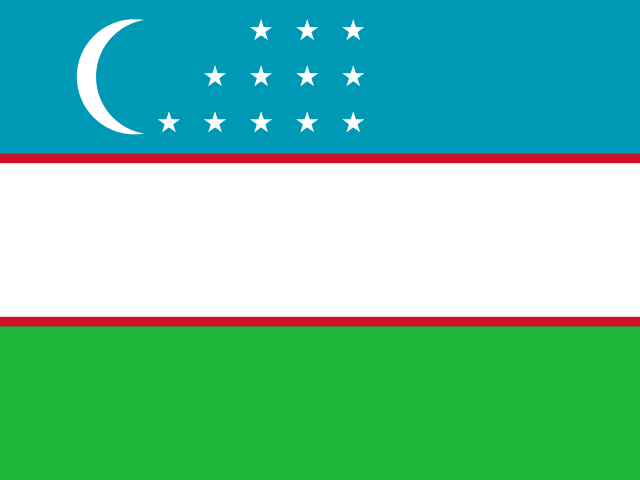 Uzbekistan
 Vanuatu
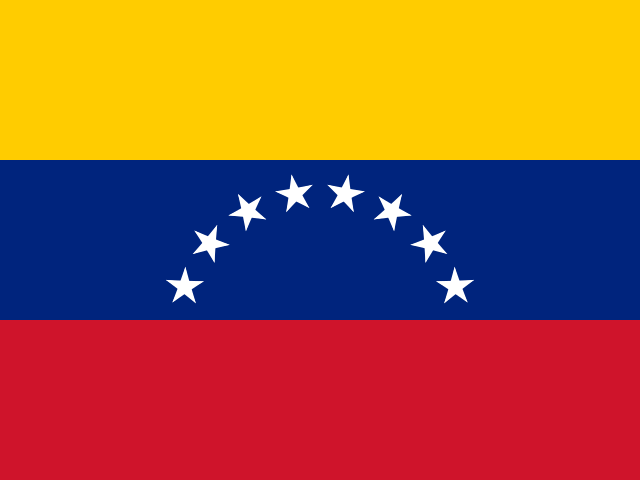 Venezuela
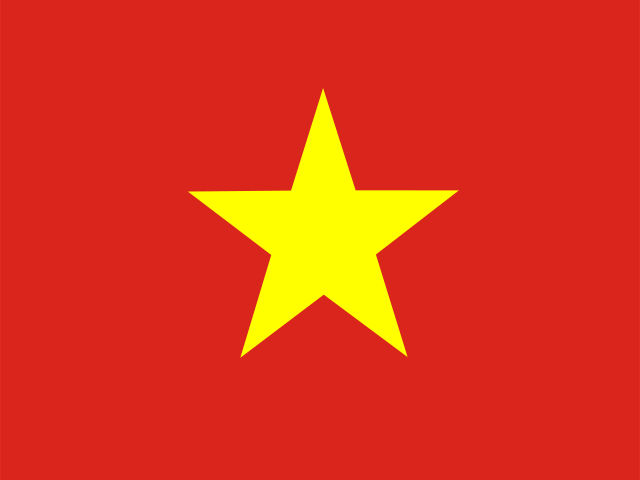 Vietnam
 Wallis and Futuna Islands
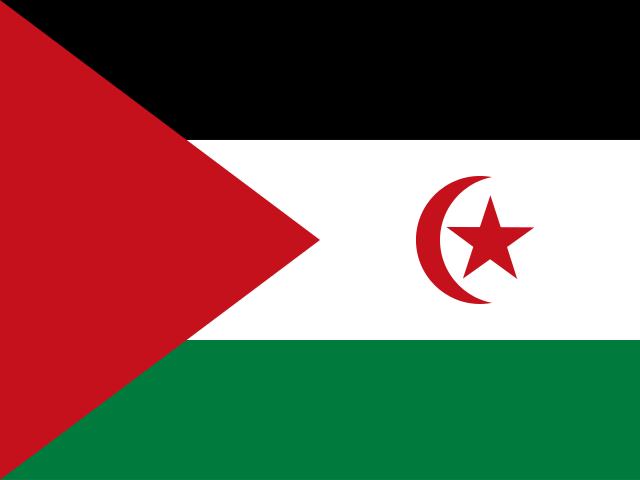 Western Sahara
 Zimbabwe
More statistics for Less developed regions, excluding least developed countries
Female population of reproductive age
Percentage of population by degree of urbanization
Total deaths
Total demand for family planning (Percent)
Total fertility rate
Total net-migration
About This Data
This page shows the latest statistics for Less developed regions, excluding least developed countries for 2026. The figures come from international organizations such as the United Nations and the World Bank, and from the final editions of the CIA World Factbook. Where no figure is published for 2026, the value is an estimate and is marked as one on its page.
Click on any statistic to explore more detailed information, see how Less developed regions, excluding least developed countries compares with other countries, and view historical trends.
Primary Data Sources
CIA World Factbook
Country profiles and statistics from the final editions of the CIA's reference, which was discontinued in 2026
Learn moreUnited Nations Statistics
Global demographic data and population projections from UN agencies and research divisions
Learn moreWorld Bank Open Data
Development indicators and comprehensive population metrics from the World Bank database
Learn moreCite this page
Geo Factbook. (n.d.). Less developed regions, excluding least developed countries: Country Profile. Retrieved November 29, 2026, from https://geofactbook.com/countries/less-developed-regions-excluding-least-developed-countries
The figures on this page come from the United Nations, the World Bank and the final editions of the CIA World Factbook. For academic work, cite the original source as well.
Compare Less developed regions, excluding least developed countries with other countries
Side-by-side comparisons across population, GDP, geography, and more.
Frequently Asked Questions About Less developed regions, excluding least developed countries
How many countries belong to the less developed regions excluding the LDCs?▾
134 countries and territories on Geo Factbook belong to the less developed regions excluding the LDCs, according to the UN development groups. The most populous are India, China and Indonesia.
What is the population of the less developed regions excluding the LDCs?▾
About 5.77 billion people (2026), or 69.5% of the world's population, according to UN population estimates.
What is the most populous country in the less developed regions excluding the LDCs?▾
India, with about 1.48 billion people (26% of the total). Next come China and Indonesia.
What is the median age in the less developed regions excluding the LDCs?▾
31.6 years (2026): half of the population is younger and half is older.
What is the less developed regions excluding the LDCs part of?▾
The less developed regions excluding the LDCs is part of the developing regions in the UN development groups.
Explore More
All Less developed regions, excluding least developed countries Facts
Browse the complete list of statistics and indicators for Less developed regions, excluding least developed countries
All Countries
Browse statistics for all countries and regions worldwide
Browse by Category
Explore facts organized by categories
Home
Return to the homepage