

Key Statistics for 2026
Total population
1,584,594,309 personsPopulation Change
35,625,572 personsMedian age of population
19.45 yearsPopulation density
53.58 per sq. kmLife expectancy at birth
67.29 yearsAbout Africa
Africa is the second-largest continent, stretching from the Mediterranean to the Cape of Good Hope. The UN splits it into Northern Africa and Sub-Saharan Africa, which in turn has four sub-regions: Eastern, Middle, Southern and Western Africa.
About 1.58 billion people live in Africa (2026), 19.1% of the world's population. The population grows by about 35.63 million a year (2.3%), faster than the world as a whole (0.87%). Half of the population is younger than 19.5 years (world median: 31.1). Women have 3.9 children on average, above the replacement level of about 2.1. About 667,647 more people leave each year than arrive.
Geo Factbook lists 58 countries and territories in Africa, according to the UN geoscheme (M49). The most populous are Nigeria (242.4M), Ethiopia (138.9M) and Egypt (120.2M), which together hold 32% of its people. The smallest is Saint Helena, with about 5,200 people.
Sub-regions of Africa
 Northern Africa
 Sub-Saharan Africa
Grouping: UN geoscheme (M49). Figures: UN and World Bank data on Geo Factbook.
Countries in Africa
58 countries and territories on Geo Factbook belong to Africa.
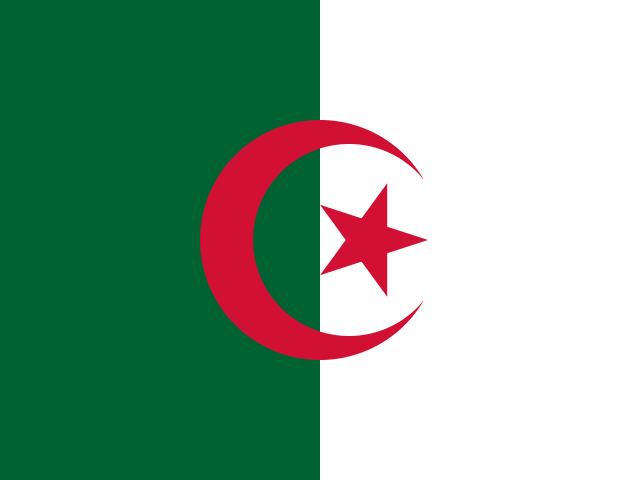 Algeria
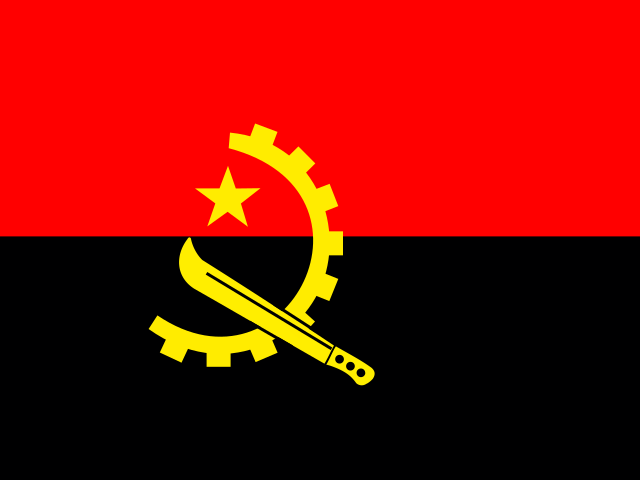 Angola
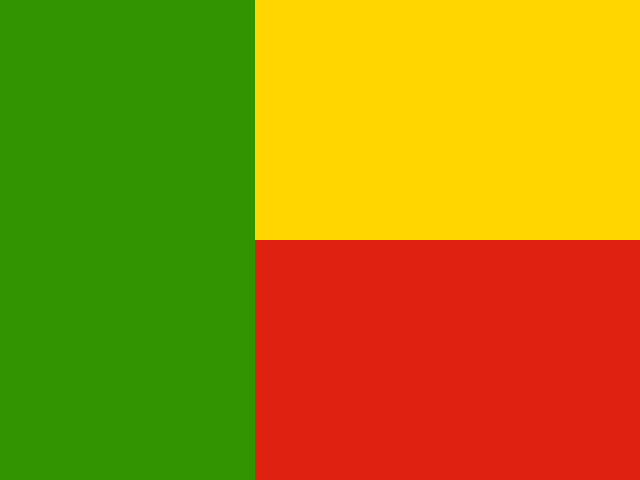 Benin
 Botswana
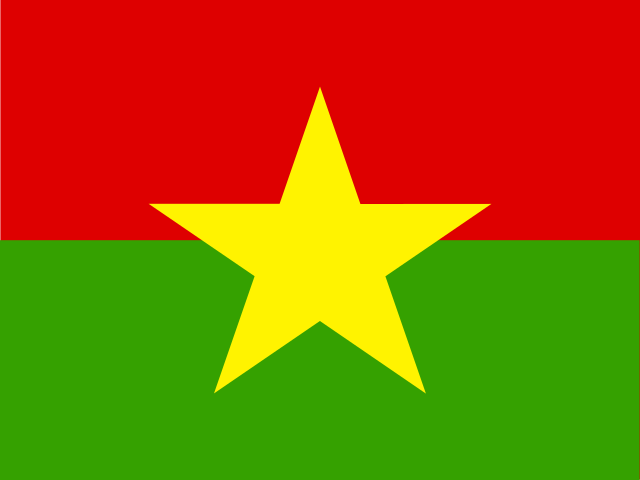 Burkina Faso
 Burundi
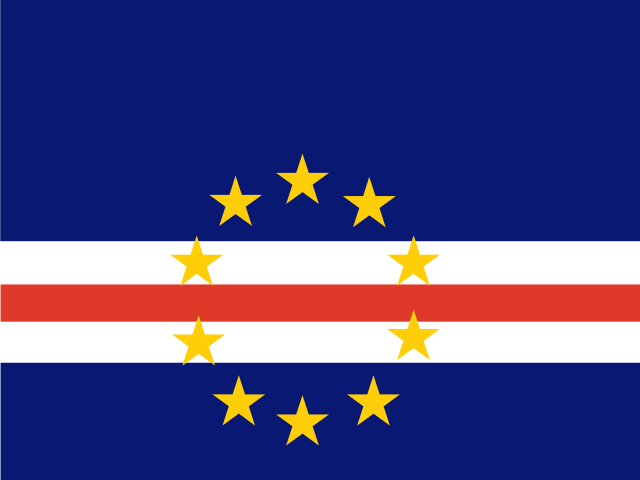 Cabo Verde
 Cameroon
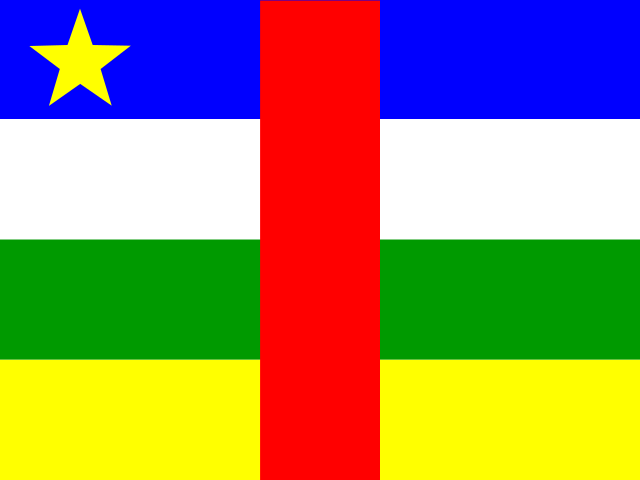 Central African Republic
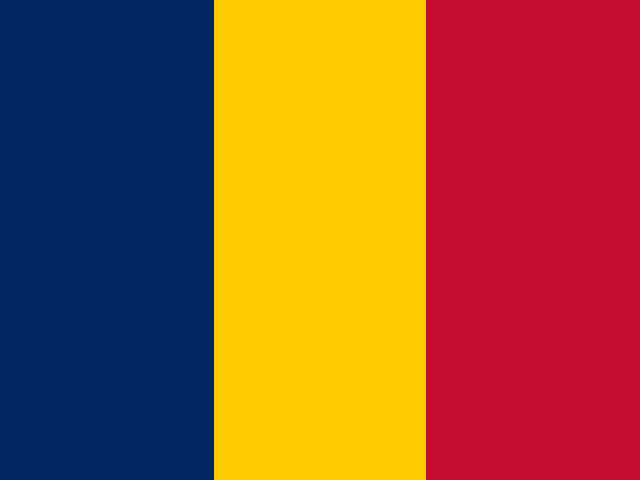 Chad
 Comoros
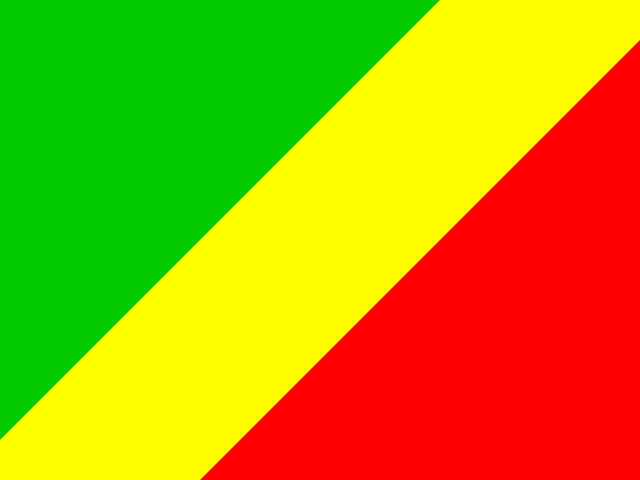 Congo
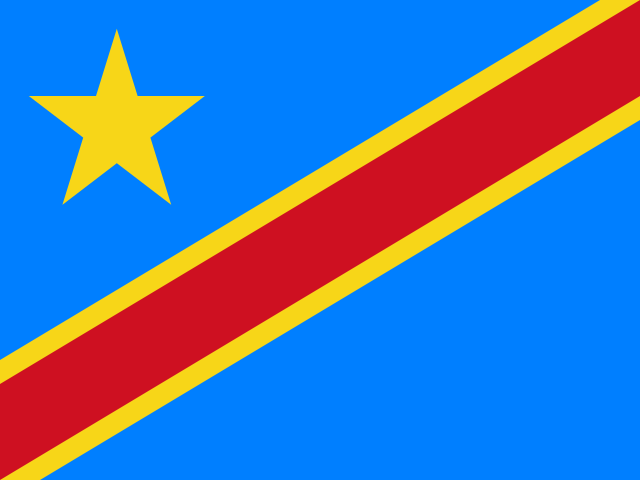 Congo, Democratic Republic of the
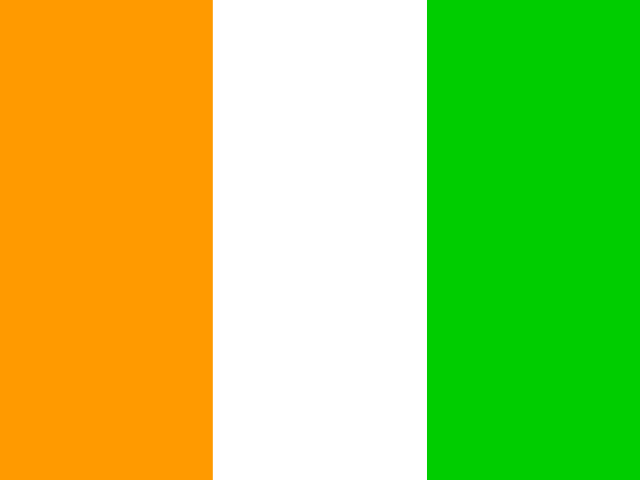 Côte d'Ivoire
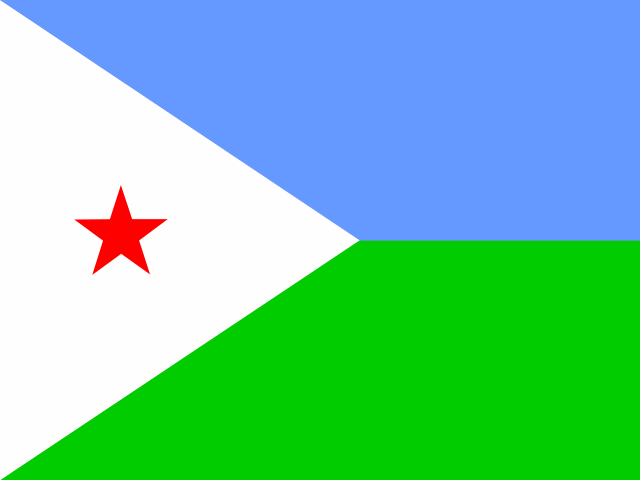 Djibouti
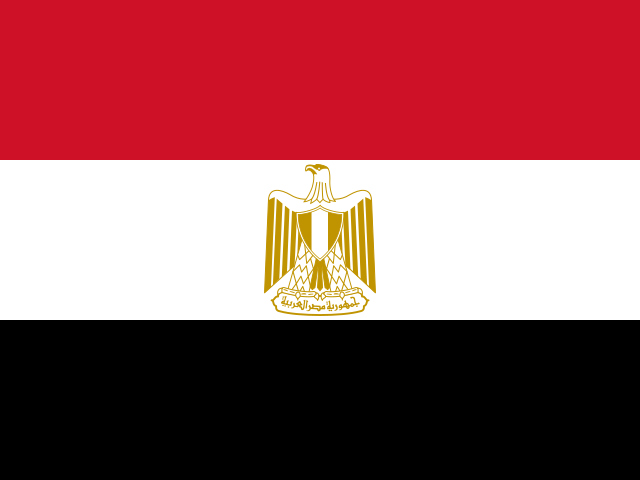 Egypt
 Equatorial Guinea
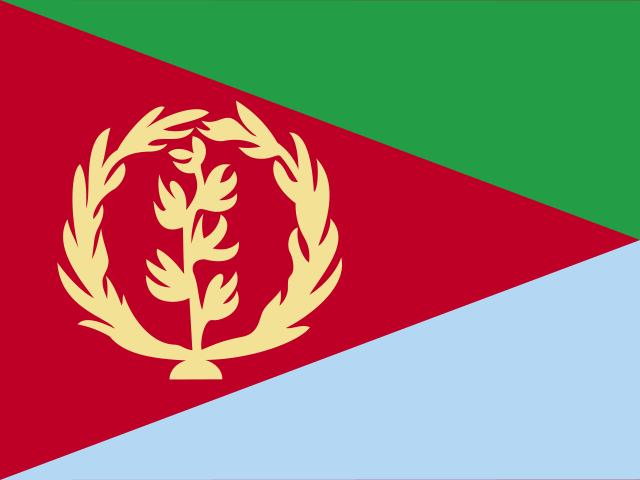 Eritrea
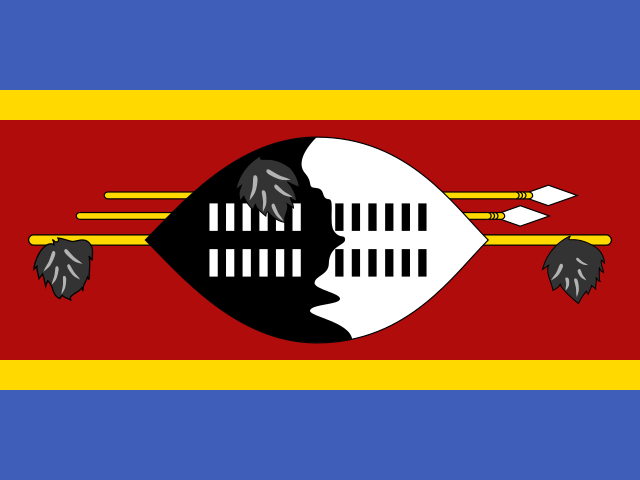 Eswatini
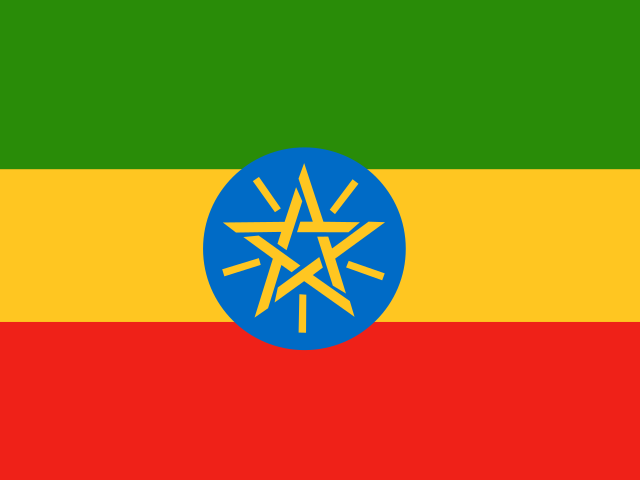 Ethiopia
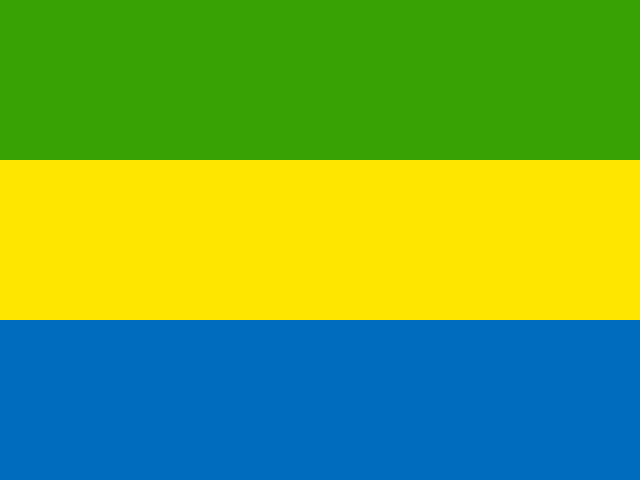 Gabon
 Gambia
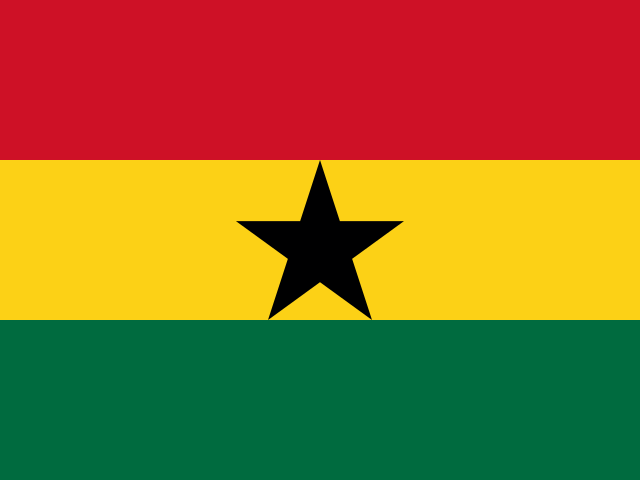 Ghana
 Guinea
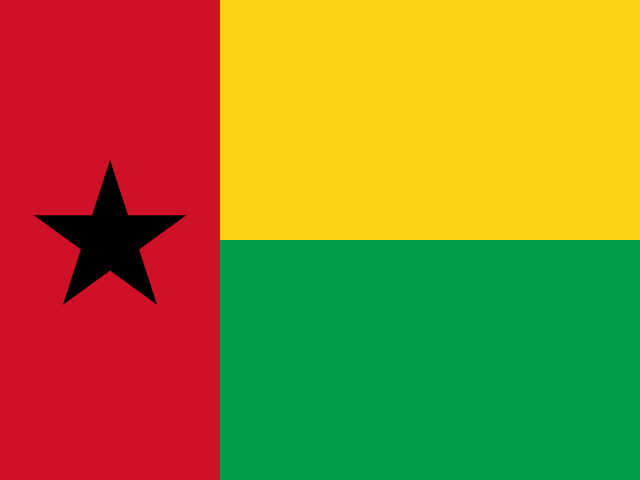 Guinea-Bissau
 Kenya
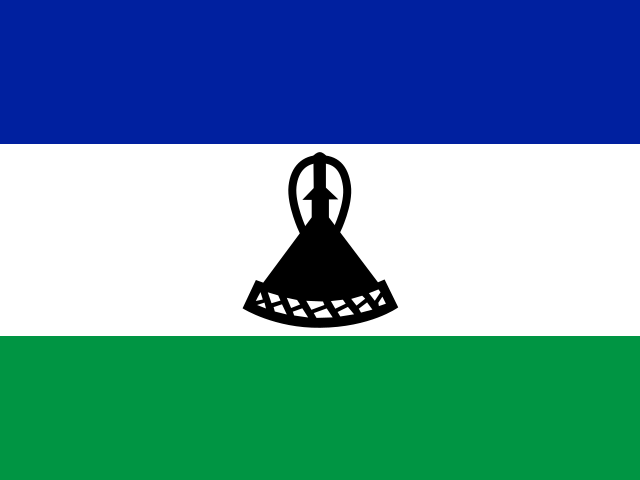 Lesotho
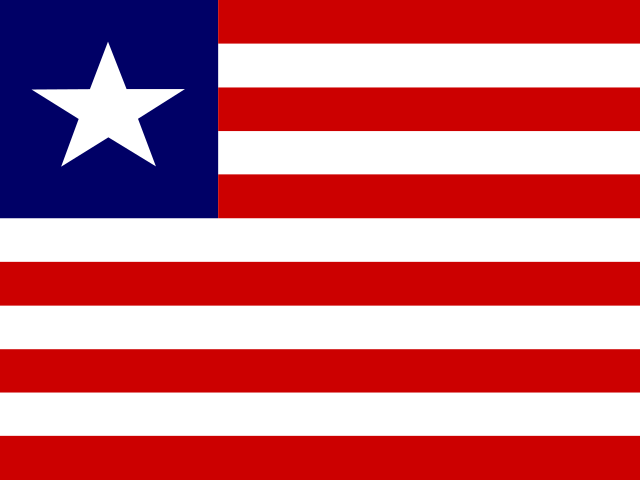 Liberia
 Libya
 Madagascar
 Malawi
 Mali
 Mauritania
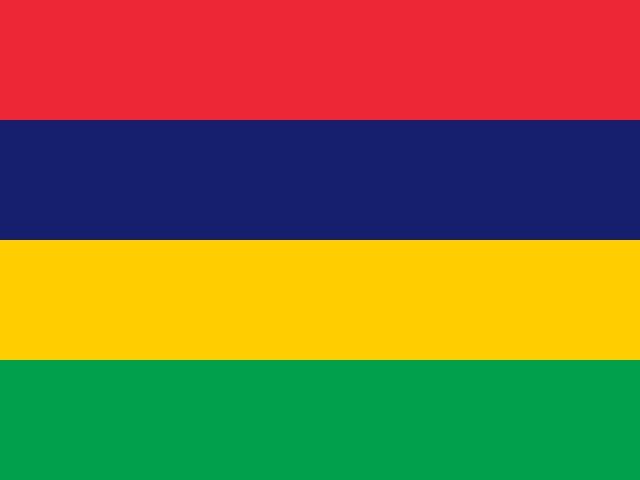 Mauritius
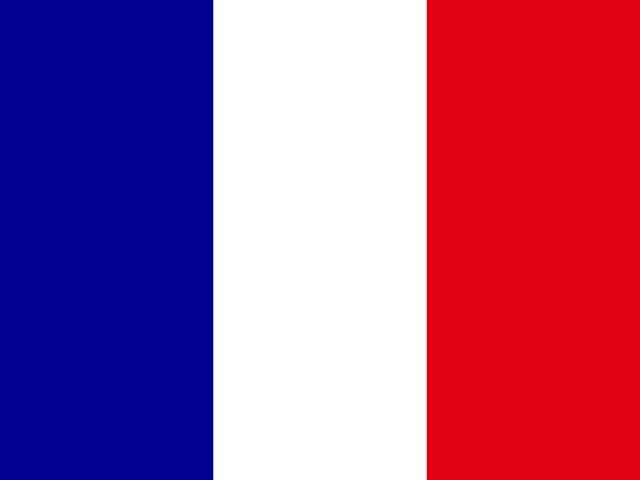 Mayotte
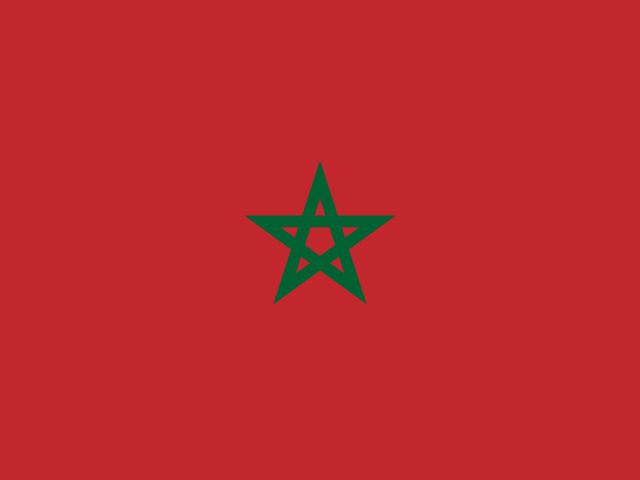 Morocco
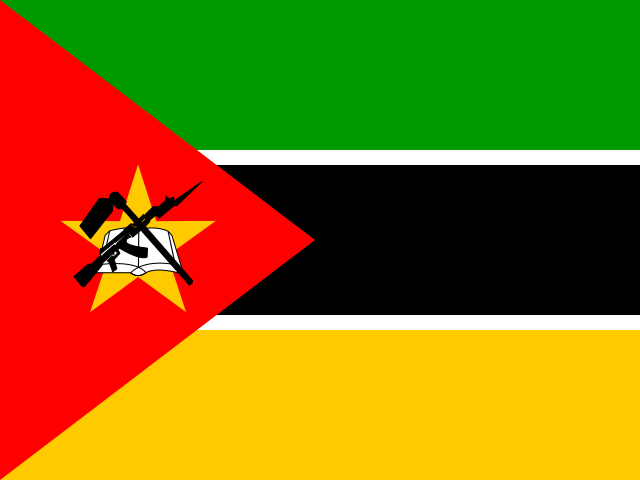 Mozambique
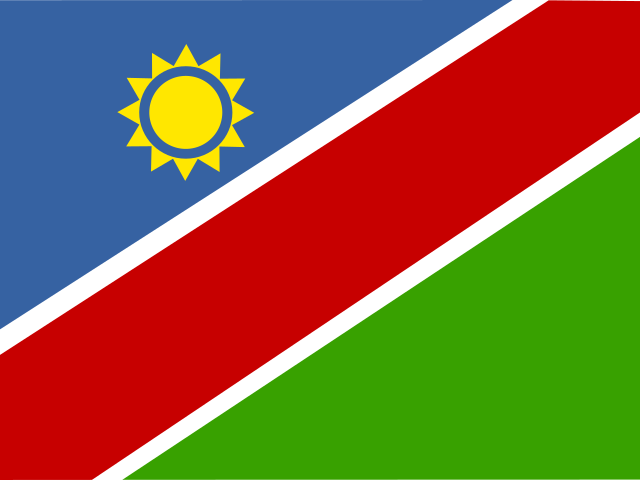 Namibia
 Niger
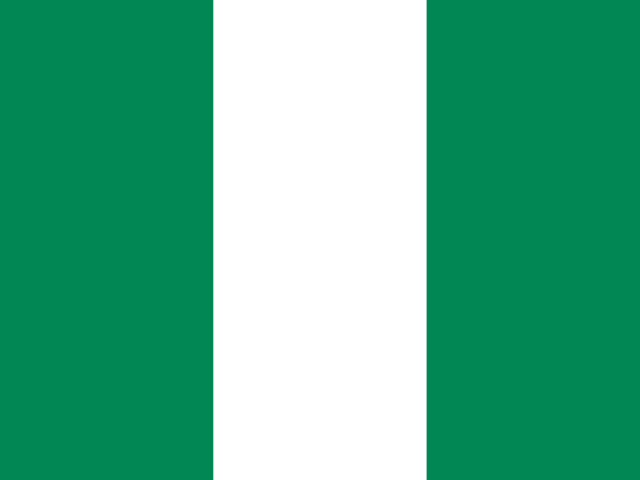 Nigeria
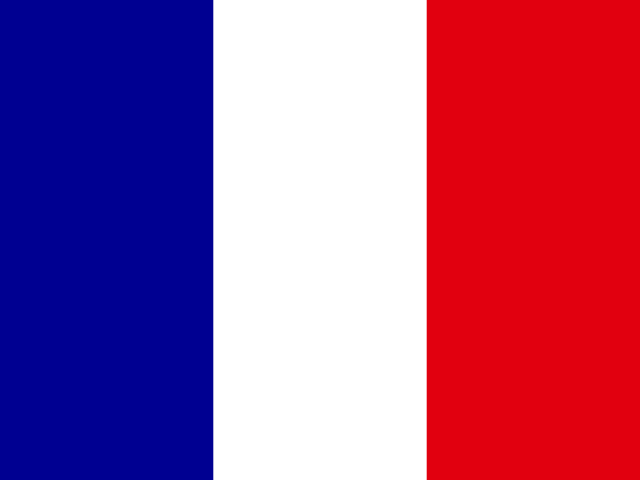 Réunion
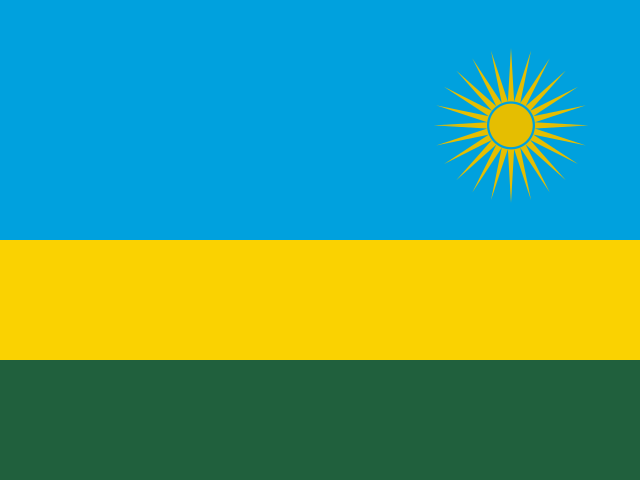 Rwanda
 Saint Helena
 Sao Tome and Principe
 Senegal
 Seychelles
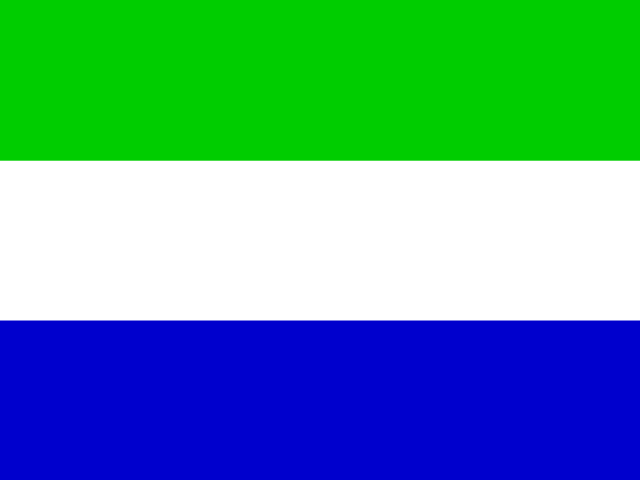 Sierra Leone
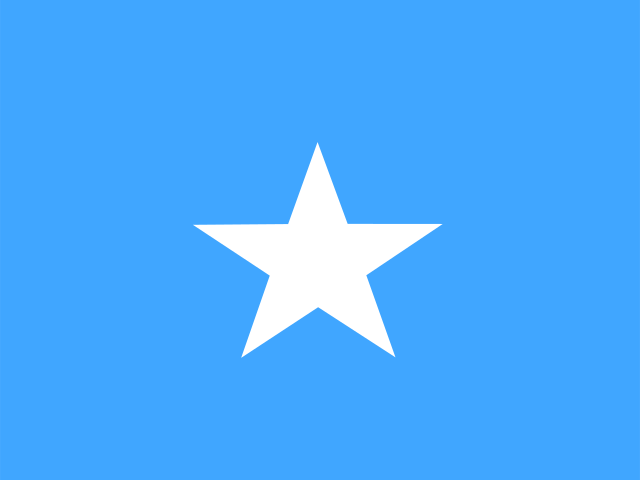 Somalia
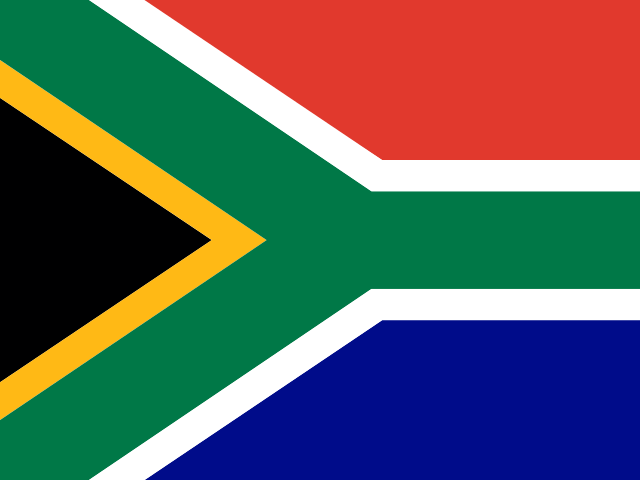 South Africa
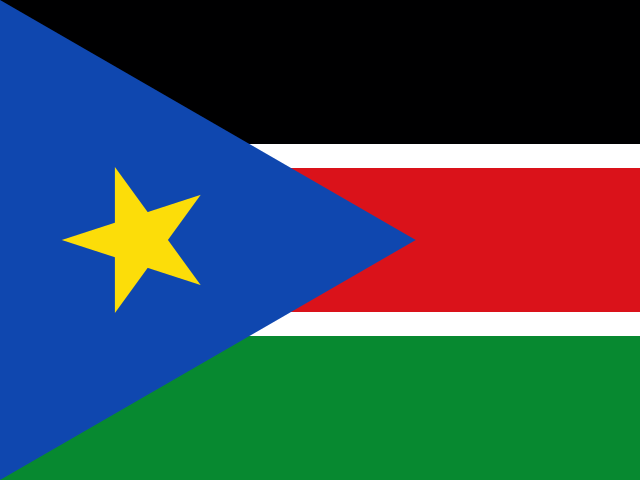 South Sudan
 Sudan
 Tanzania
 Togo
 Tunisia
 Uganda
 Western Sahara
 Zambia
 Zimbabwe
More statistics for Africa
Female population of reproductive age
Percentage of population by degree of urbanization
Total deaths
Total demand for family planning (Percent)
Total fertility rate
Total net-migration
About This Data
This page shows the latest statistics for Africa for 2026. The figures come from international organizations such as the United Nations and the World Bank, and from the final editions of the CIA World Factbook. Where no figure is published for 2026, the value is an estimate and is marked as one on its page.
Click on any statistic to explore more detailed information, see how Africa compares with other countries, and view historical trends.
Primary Data Sources
CIA World Factbook
Country profiles and statistics from the final editions of the CIA's reference, which was discontinued in 2026
Learn moreUnited Nations Statistics
Global demographic data and population projections from UN agencies and research divisions
Learn moreWorld Bank Open Data
Development indicators and comprehensive population metrics from the World Bank database
Learn moreCite this page
Geo Factbook. (n.d.). Africa: Country Profile. Retrieved November 29, 2026, from https://geofactbook.com/countries/africa
The figures on this page come from the United Nations, the World Bank and the final editions of the CIA World Factbook. For academic work, cite the original source as well.
Compare Africa with other countries
Side-by-side comparisons across population, GDP, geography, and more.
Frequently Asked Questions About Africa
How many countries are in Africa?▾
58 countries and territories on Geo Factbook are in Africa, according to the UN geoscheme (M49). The most populous are Nigeria, Ethiopia and Egypt.
What is the population of Africa?▾
About 1.58 billion people (2026), or 19.1% of the world's population, according to UN population estimates.
What is the most populous country in Africa?▾
Nigeria, with about 242.38 million people (15% of the total). Next come Ethiopia and Egypt.
What is the median age in Africa?▾
19.5 years (2026): half of the population is younger and half is older.