

Key Statistics for 2026
Total population
619,164,534 personsPopulation Change
13,756,308 personsMedian age of population
19.85 yearsPopulation density
18.75 per sq. kmLife expectancy at birth
70.87 yearsAbout Land-locked Developing Countries (LLDC)
The Landlocked Developing Countries (LLDCs) are developing countries with no coastline. They depend on their neighbours' ports, roads and railways for trade, which raises costs, and the UN supports them under the Awaza Programme of Action for 2024 to 2034.
About 619.16 million people live in the Landlocked Developing Countries (2026), 7.5% of the world's population. The population grows by about 13.76 million a year (2.27%), faster than the world as a whole (0.87%). Half of the population is younger than 19.9 years (world median: 31.1). Women have 3.7 children on average, above the replacement level of about 2.1. About 641,358 more people leave each year than arrive.
32 countries and territories on Geo Factbook belong to the Landlocked Developing Countries, according to the UN-OHRLLS. The most populous are Ethiopia (138.9M), Uganda (52.8M) and Afghanistan (45M), which together hold 38% of its people. The smallest is Bhutan, with about 800,000 people.
Groups within Land-locked Developing Countries (LLDC)
 LLDC: Africa
 LLDC: Asia
 LLDC: Europe
 LLDC: Latin America
Grouping: UN-OHRLLS. Figures: UN and World Bank data on Geo Factbook.
Countries in Land-locked Developing Countries (LLDC)
32 countries and territories on Geo Factbook belong to Land-locked Developing Countries (LLDC).
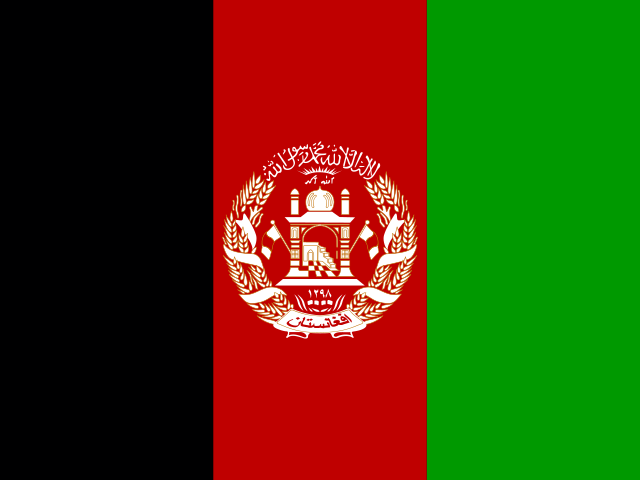 Afghanistan
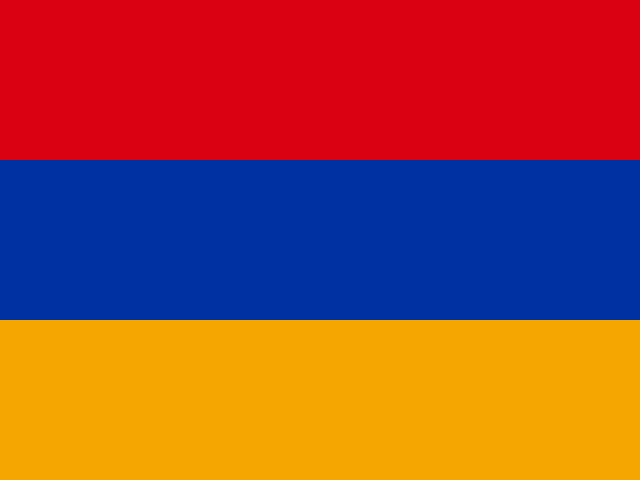 Armenia
 Azerbaijan
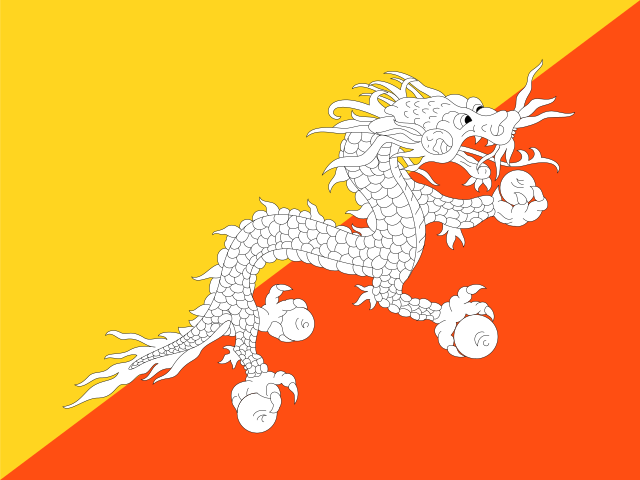 Bhutan
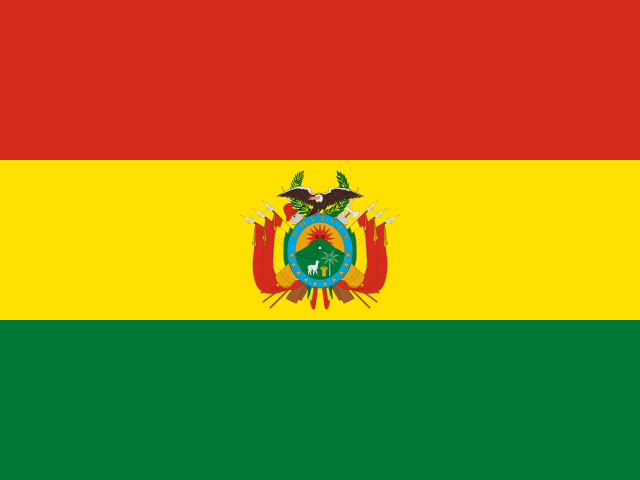 Bolivia
 Botswana
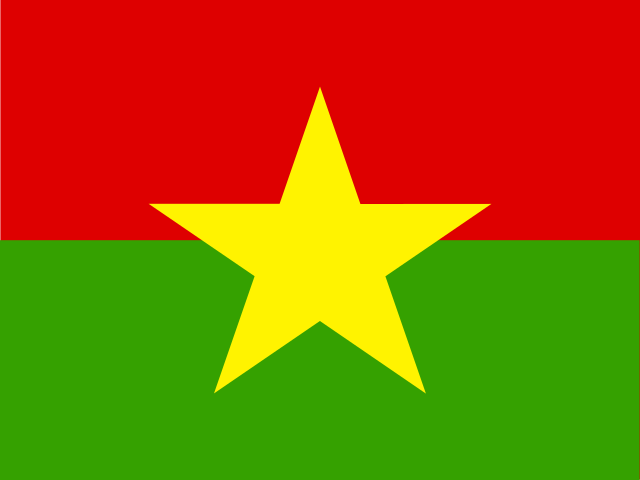 Burkina Faso
 Burundi
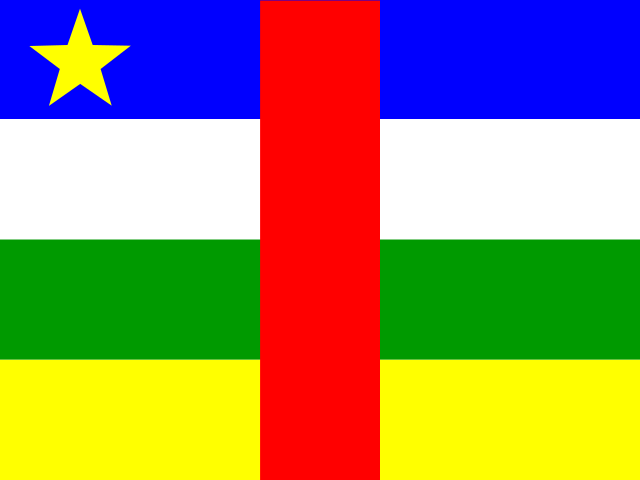 Central African Republic
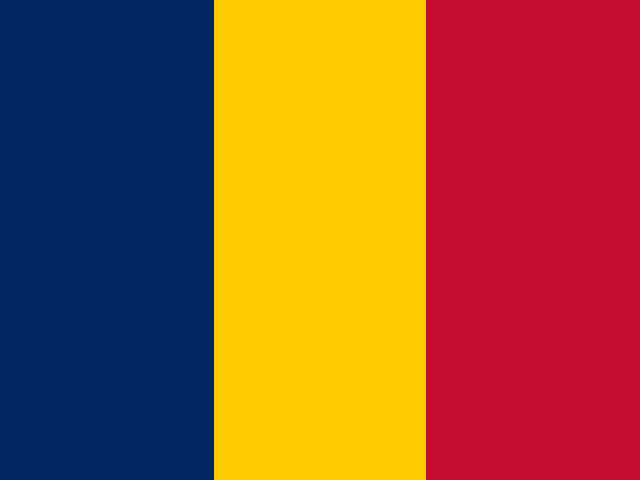 Chad
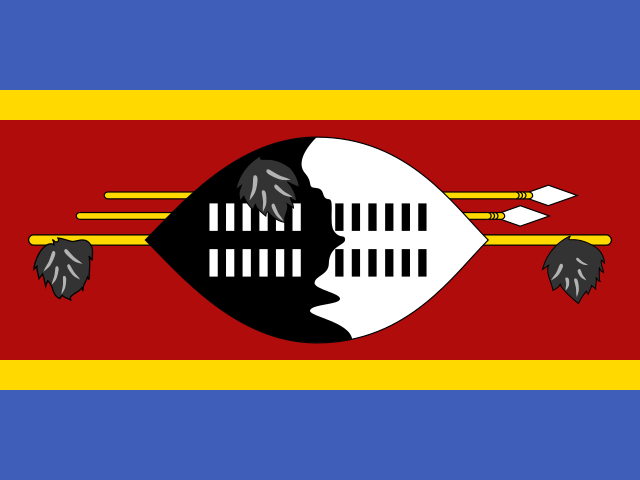 Eswatini
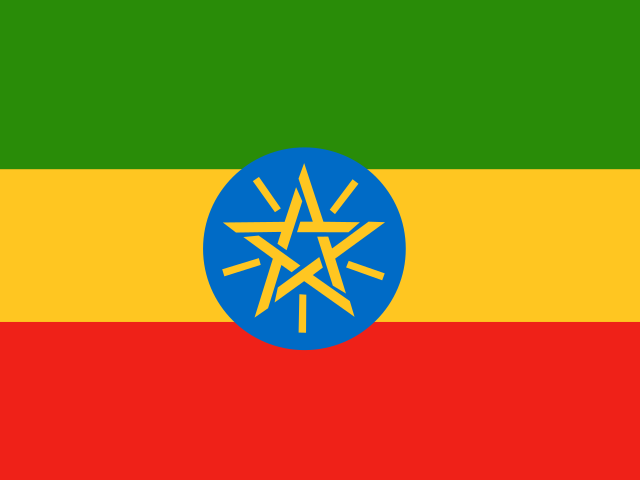 Ethiopia
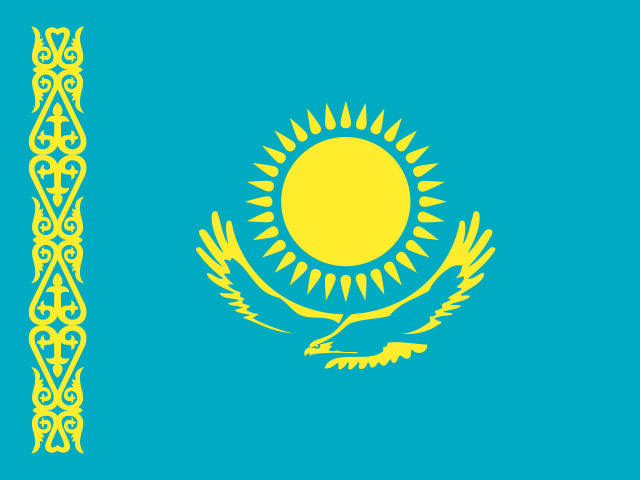 Kazakhstan
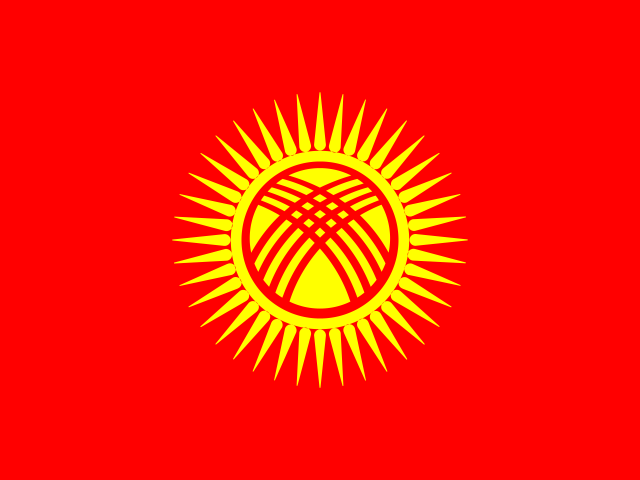 Kyrgyzstan
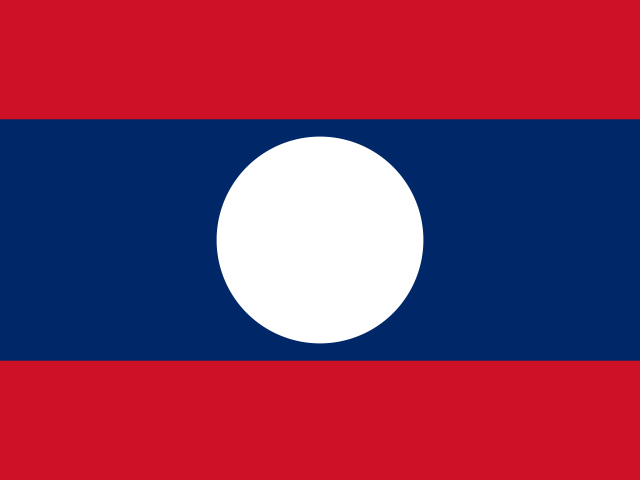 Laos
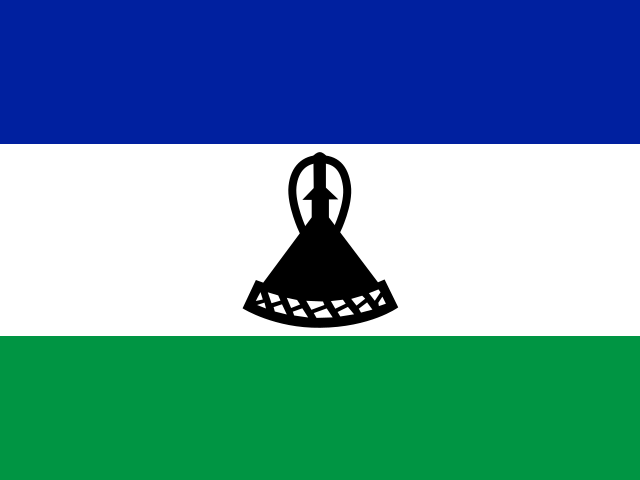 Lesotho
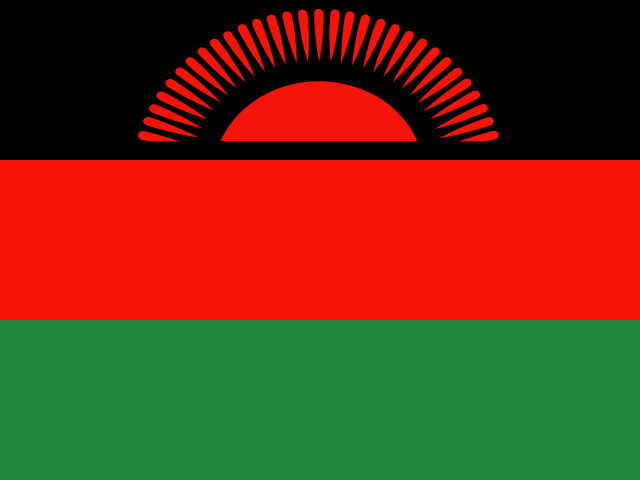 Malawi
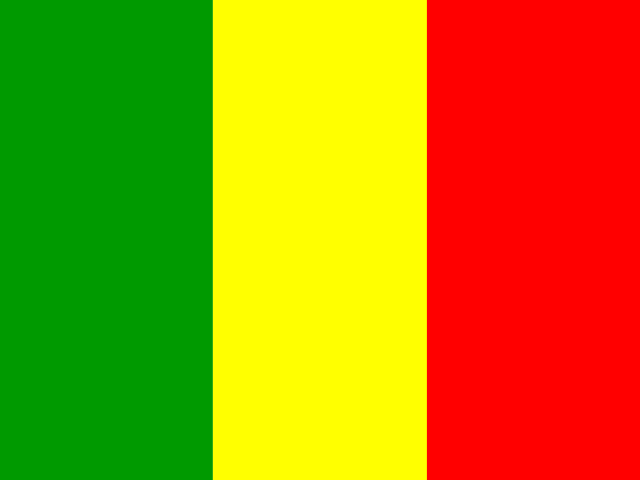 Mali
 Mongolia
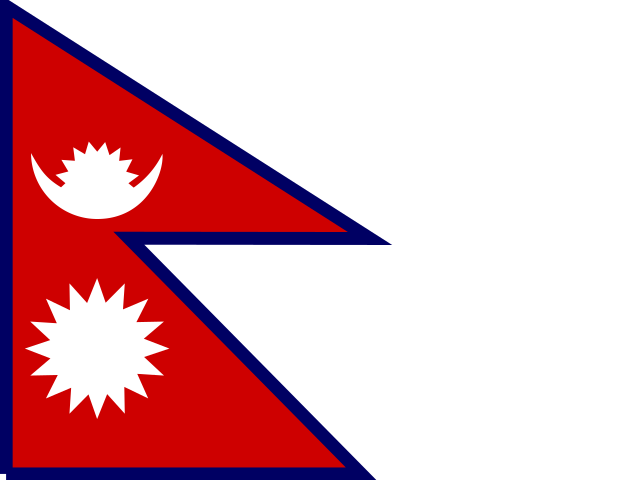 Nepal
 Niger
 North Macedonia
 Paraguay
 Republic of Moldova
 Rwanda
 South Sudan
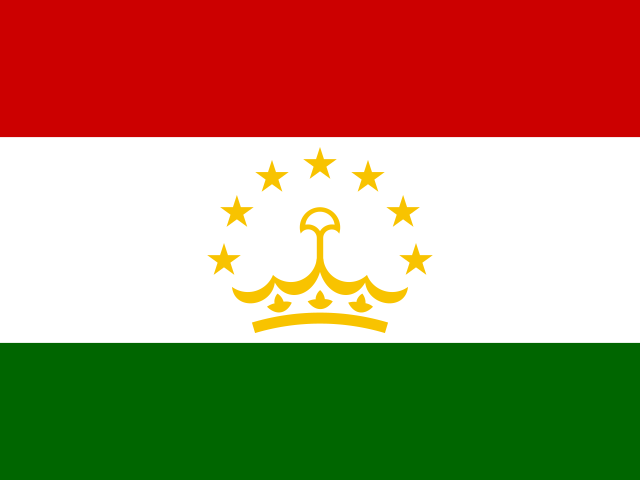 Tajikistan
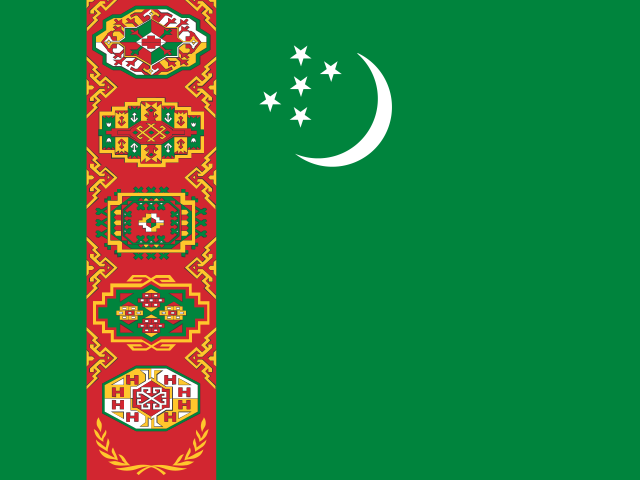 Turkmenistan
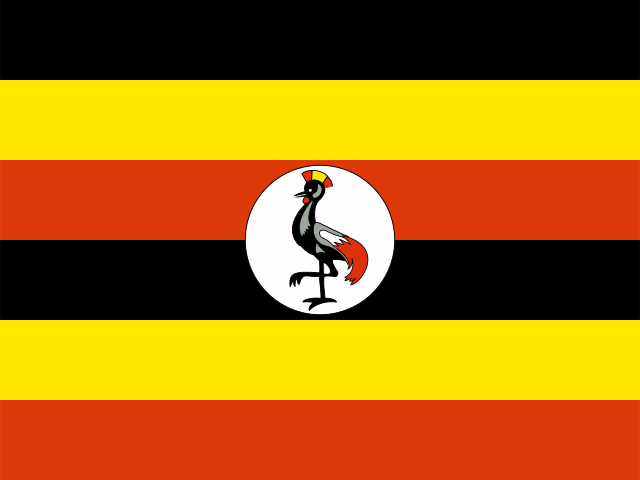 Uganda
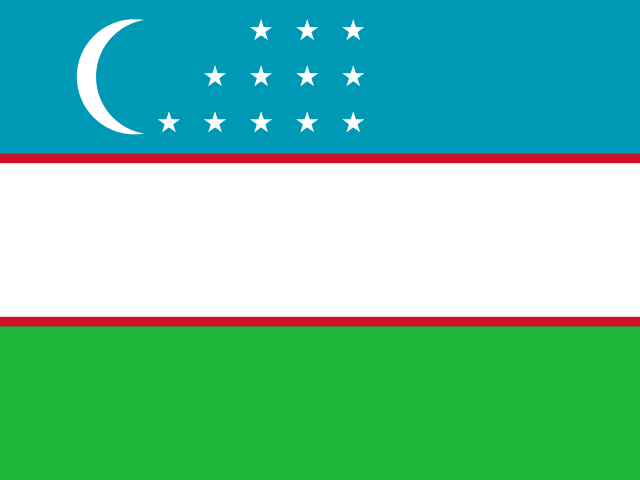 Uzbekistan
 Zambia
 Zimbabwe
More statistics for Land-locked Developing Countries (LLDC)
Female population of reproductive age
Percentage of population by degree of urbanization
Total deaths
Total demand for family planning (Percent)
Total fertility rate
Total net-migration
About This Data
This page shows the latest statistics for Land-locked Developing Countries (LLDC) for 2026. The figures come from international organizations such as the United Nations and the World Bank, and from the final editions of the CIA World Factbook. Where no figure is published for 2026, the value is an estimate and is marked as one on its page.
Click on any statistic to explore more detailed information, see how Land-locked Developing Countries (LLDC) compares with other countries, and view historical trends.
Primary Data Sources
CIA World Factbook
Country profiles and statistics from the final editions of the CIA's reference, which was discontinued in 2026
Learn moreUnited Nations Statistics
Global demographic data and population projections from UN agencies and research divisions
Learn moreWorld Bank Open Data
Development indicators and comprehensive population metrics from the World Bank database
Learn moreCite this page
Geo Factbook. (n.d.). Land-locked Developing Countries (LLDC): Country Profile. Retrieved November 29, 2026, from https://geofactbook.com/countries/land-locked-developing-countries-lldc
The figures on this page come from the United Nations, the World Bank and the final editions of the CIA World Factbook. For academic work, cite the original source as well.
Compare Land-locked Developing Countries (LLDC) with other countries
Side-by-side comparisons across population, GDP, geography, and more.
Frequently Asked Questions About Land-locked Developing Countries (LLDC)
How many countries belong to the Landlocked Developing Countries?▾
32 countries and territories on Geo Factbook belong to the Landlocked Developing Countries, according to the UN-OHRLLS. The most populous are Ethiopia, Uganda and Afghanistan.
What is the population of the Landlocked Developing Countries?▾
About 619.16 million people (2026), or 7.5% of the world's population, according to UN population estimates.
What is the most populous country in the Landlocked Developing Countries?▾
Ethiopia, with about 138.88 million people (22% of the total). Next come Uganda and Afghanistan.
What is the median age in the Landlocked Developing Countries?▾
19.9 years (2026): half of the population is younger and half is older.